
Stock photos drain your ad budget faster than you think. You see your Meta ads creative fatigue spike, and your clicks drop, but the visuals stay the same—generic and forgettable. In a B2B paid social creative strategy, custom creative vs stock photos ads isn’t just a choice; it’s a financial decision that can make or break your campaign. Let’s break down why authentic brand imagery ads drive higher engagement and better ROI.
The Real Cost of Stock Photos in Your Paid Social Campaigns
When you deploy stock imagery in your Facebook and Instagram advertising campaigns, you face a hidden financial burden that extends far beyond licensing fees. Stock photos create an immediate disconnect between your brand message and your target audience. The result is measurable: lower click-through rates, faster creative fatigue, and wasted ad spend on visuals that fail to convert.
Your competitors are likely using the same stock images. This creates a phenomenon where B2B decision-makers scroll past your ads because they’ve already seen similar visuals multiple times. The familiarity breeds contempt, and your carefully crafted ad copy becomes irrelevant when paired with imagery that screams “generic.”
Quantifying the Performance Gap
Data from thousands of B2B campaigns reveals a stark contrast. Custom creative vs stock photos ads show performance differences of 40-60% in engagement metrics. When you invest in authentic brand imagery ads, you’re not just buying pictures. You’re purchasing attention, trust, and the psychological edge that comes from presenting something genuinely yours.
Stock photos contribute directly to Meta ads creative fatigue because they lack the specificity that makes audiences pause. The algorithm recognizes when users skip past your content repeatedly, and it responds by reducing your organic reach and increasing your cost per impression. This creates a vicious cycle where poor creative choices compound into serious budget problems.
Understanding Meta Ads Creative Fatigue and Its Budget Implications
Meta ads creative fatigue occurs when your target audience sees your ad creative too many times, leading to declining performance metrics. The platform’s algorithm tracks user behavior meticulously. When people stop engaging with your ads, Meta interprets this as a signal that your content lacks relevance.
Stock imagery accelerates this fatigue process because it fails to create memorable brand associations. Your audience might see your ad five times, but if the visual doesn’t connect to your specific brand identity, each impression feels like the first encounter with a stranger. There’s no progressive relationship building, just repeated exposure to forgettable content.
The Algorithm’s Response to Poor Creative Performance
Facebook and Instagram algorithms prioritize content that generates meaningful engagement. When your ads underperform, the platform doesn’t simply maintain your current cost structure. Instead, it actively penalizes your campaigns by increasing your cost per thousand impressions (CPM) and reducing your ad delivery to premium placements.
This algorithmic punishment means that stock photos don’t just fail to perform. They actively damage your account’s overall performance score, affecting even your future campaigns with better creative. The platform remembers your historical performance, and recovering from a period of poor creative choices requires significant time and budget investment.
Building a B2B Paid Social Creative Strategy That Converts
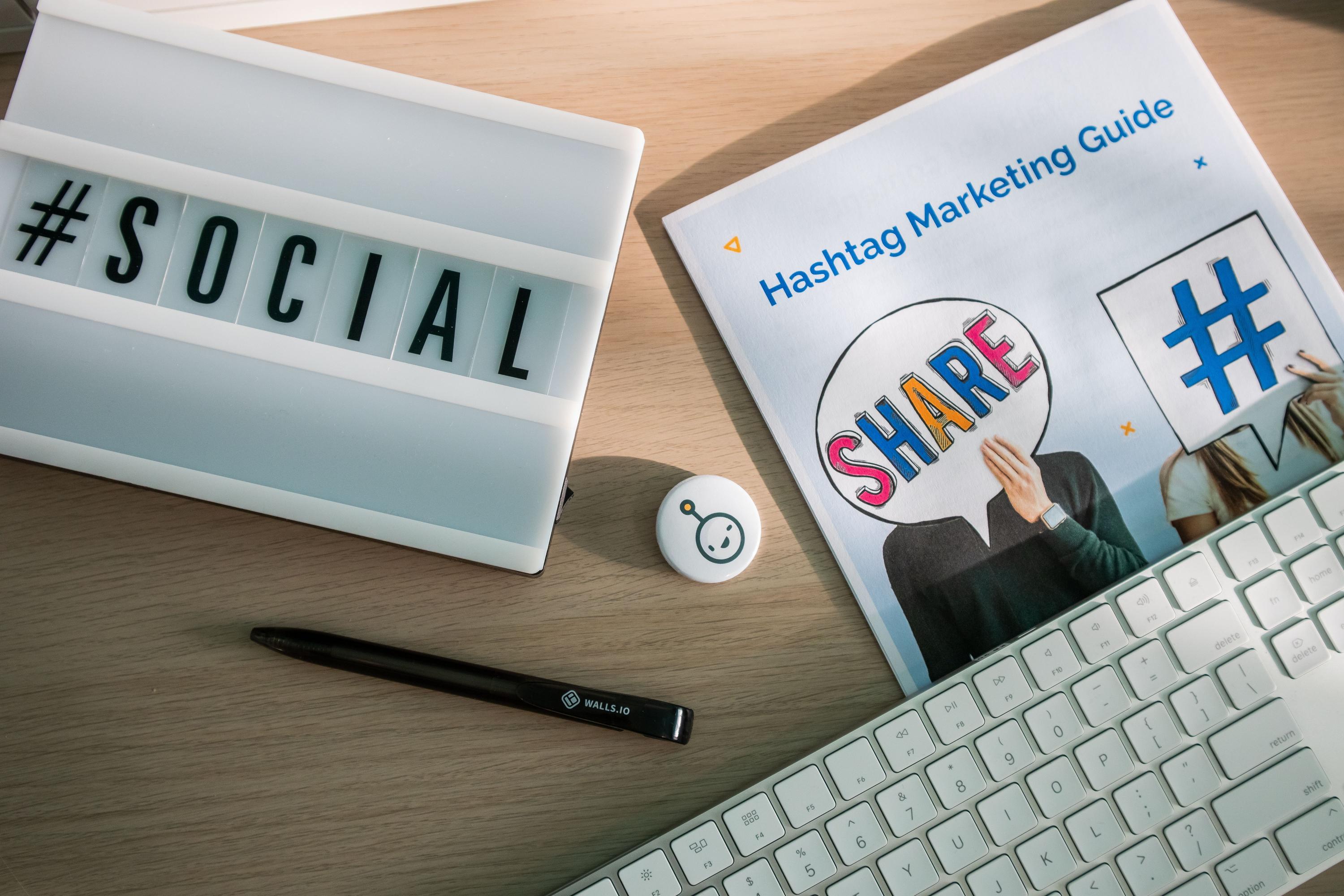
Your B2B paid social creative strategy must prioritize authenticity and brand specificity. This means developing a content production system that generates high converting Facebook ad visuals consistently. The investment in custom creative pays dividends across multiple dimensions: better performance metrics, stronger brand recognition, and lower long-term acquisition costs.
Start by auditing your current creative assets. Identify which ads use stock imagery and track their performance against any custom visuals you’ve tested. The data will likely reveal a clear pattern: authentic brand imagery ads outperform stock alternatives across every meaningful metric.
Creating High Converting Facebook Ad Visuals
High converting Facebook ad visuals share common characteristics. They feature real people from your organization or genuine customers. They showcase your actual product or service in authentic use cases. They maintain consistent brand aesthetics that build recognition over time.
The production process doesn’t require Hollywood budgets. Modern smartphone cameras capture professional-quality images when used correctly. What matters more than equipment is planning: understanding your message, identifying the right subjects, and ensuring your visuals align with your brand guidelines.
Consider creating a content calendar that schedules regular photo and video shoots. This approach ensures you always have fresh creative assets ready to deploy when Meta ads creative fatigue inevitably affects your current campaigns. The goal is building a sustainable production system, not creating one-off masterpieces.
The Psychology Behind Authentic Brand Imagery Ads
Human brains process authentic imagery differently than obviously staged stock photos. When viewers see real people in genuine situations, mirror neurons activate, creating empathetic connections. This neurological response translates directly into engagement metrics: longer view times, higher click-through rates, and better conversion rates.
Stock photos trigger skepticism. Your audience has developed sophisticated detection systems for identifying inauthentic content. When they spot stock imagery, they instinctively question your credibility. If you won’t invest in showing your real business, why should they invest in your solution?
Trust Building Through Visual Authenticity
Trust forms the foundation of B2B purchasing decisions. Your visual content either reinforces or undermines this trust from the first impression. Authentic brand imagery ads signal investment, confidence, and transparency. They demonstrate that you’re proud to show your actual team, workspace, and processes.
This trust-building effect compounds over time. As prospects see consistent, authentic visuals across multiple touchpoints, they develop familiarity with your brand identity. This familiarity reduces perceived risk and shortens sales cycles, creating measurable ROI improvements that extend beyond simple ad performance metrics.
Measuring the ROI Difference: Custom Creative vs Stock Photos Ads
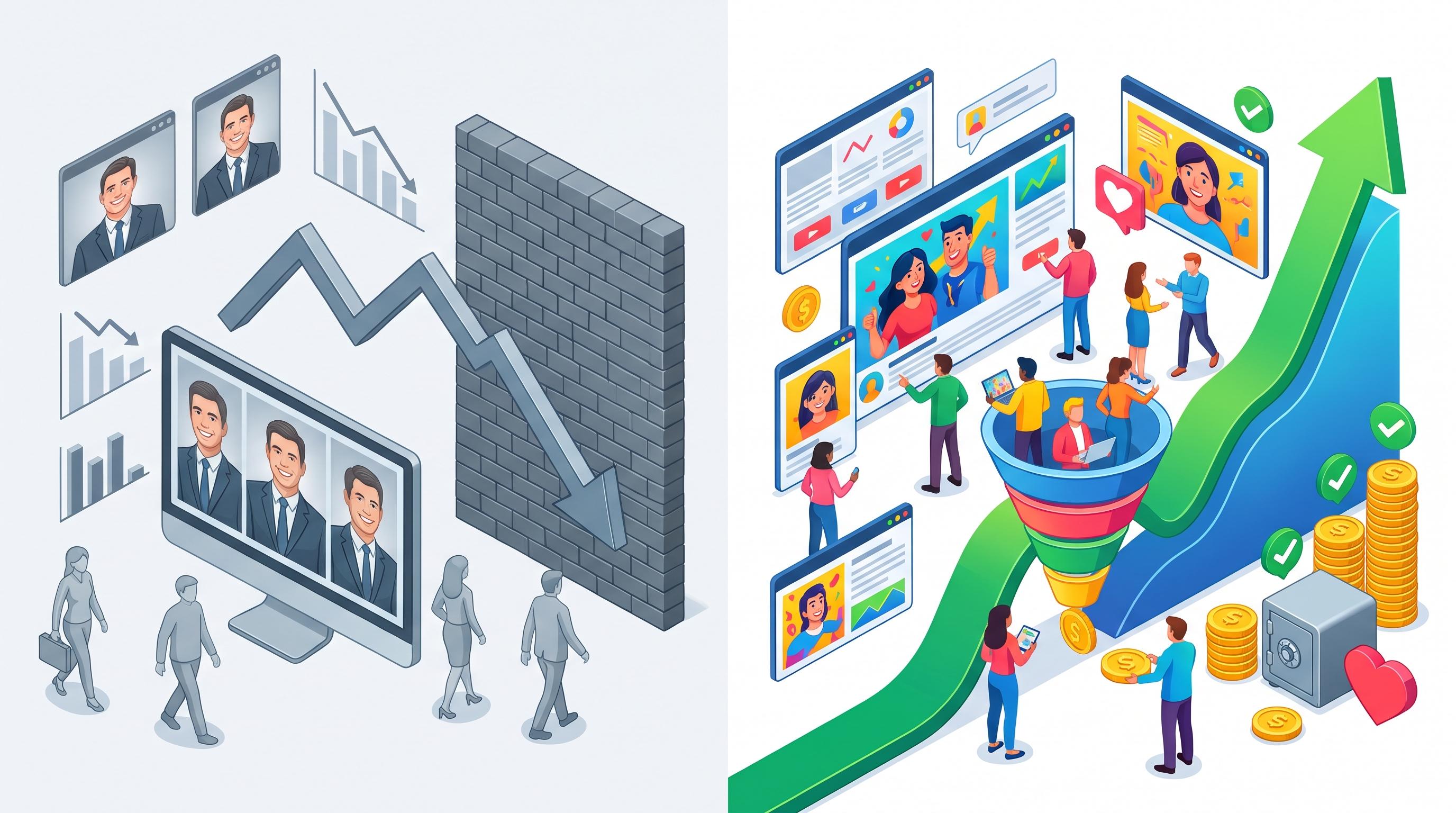
Proper measurement requires tracking metrics beyond surface-level vanity indicators. Focus on cost per lead, lead quality scores, and ultimately, cost per acquisition. These deeper metrics reveal the true financial impact of your creative decisions.
When analyzing custom creative vs stock photos ads, segment your data by creative type and track performance over extended periods. Initial results might show modest differences, but the gap widens significantly after the first two weeks of campaign runtime. Stock photos hit performance walls quickly, while custom creative maintains effectiveness longer.
Attribution Models That Reveal Creative Impact
Implement multi-touch attribution models that credit creative assets appropriately throughout the customer journey. Your custom visuals might not always drive immediate conversions, but they play crucial roles in building the awareness and consideration necessary for eventual purchase decisions.
Track how different creative types perform at various funnel stages. You’ll likely find that authentic brand imagery ads excel at top-of-funnel awareness while also performing well in retargeting campaigns. Stock photos, by contrast, struggle at every stage because they never establish the authentic connection that moves prospects forward.
Implementing Your Custom Creative Production System
Building a sustainable creative production system requires strategic planning and resource allocation. Start by identifying internal stakeholders who can participate in content creation. Your sales team, customer success managers, and product experts all have stories worth capturing visually.
Develop shot lists that align with your campaign themes and customer pain points. Each photo shoot should generate assets for multiple campaigns, creating efficiency in your production process. Think in terms of content libraries rather than individual images.
Budget Allocation for Maximum Impact
Allocate 15-20% of your total paid social budget to creative production. This investment pays for itself through improved performance metrics and reduced creative fatigue. When you produce high converting Facebook ad visuals consistently, you reduce the frequency at which you must refresh campaigns, lowering overall management costs.
Consider hiring a freelance photographer or videographer for quarterly shoots rather than maintaining full-time creative staff. This approach provides professional quality while maintaining budget flexibility. Between professional shoots, use smartphone cameras and basic editing tools to capture timely, relevant content that keeps your creative pipeline full.
Overcoming Common Objections to Custom Creative Investment
Brand managers and CMOs often resist investing in custom creative due to perceived costs and production complexity. These concerns stem from outdated assumptions about content production requirements. Modern creative development is more accessible and affordable than ever.
The real question isn’t whether you can afford custom creative. It’s whether you can afford to continue wasting budget on stock photos that actively harm your campaign performance. Every dollar spent on ineffective creative is a dollar unavailable for scaling what works.
Addressing Resource Constraints
Small teams can produce effective custom creative by starting small and scaling gradually. Begin with simple product photography and team headshots. As you build confidence and see performance improvements, expand into more complex productions.
Partner with your existing customers to create case study visuals. This approach generates authentic content while strengthening client relationships. Customers appreciate being featured in your marketing, and prospects respond positively to seeing real businesses using your solutions.
Advanced Strategies for B2B Paid Social Creative Strategy
Once you’ve established basic custom creative production, advance your B2B paid social creative strategy with testing frameworks that identify top performers quickly. Run A/B tests comparing different visual styles, subjects, and compositions. Let data guide your creative direction rather than personal preferences.
Develop creative variants that address different audience segments. Your CFO-focused ads should feature different imagery than your IT director campaigns. This segmentation allows you to speak directly to specific pain points and decision-making criteria.
Leveraging User-Generated Content
User-generated content represents the pinnacle of authentic brand imagery ads. When customers create content featuring your product or service, they provide social proof that no stock photo can match. Develop systems for collecting, curating, and deploying this content in your paid campaigns.
Incentivize content creation through contests, featured customer programs, or simple requests. Most satisfied customers are willing to share their experiences when asked directly. This content performs exceptionally well because it combines authenticity with third-party validation.
The Competitive Advantage of Visual Authenticity
While your competitors continue relying on stock imagery, your investment in custom creative creates a sustainable competitive advantage. You build brand recognition that compounds over time. Your audience begins recognizing your ads instantly, even before reading headlines or body copy.
This recognition advantage translates into improved performance across all marketing channels. The visual consistency you establish in paid social reinforces your organic content, email marketing, and website experience. Everything works together to create a cohesive brand presence that builds trust and drives conversions.
Future-Proofing Your Creative Strategy
Platform algorithms continue evolving toward rewarding authentic, engaging content. The trends all point toward increasing penalties for generic, stock-based creative. By investing in custom creative now, you position your brand to thrive as these algorithmic preferences intensify.
Build your creative library as a long-term asset. High-quality custom visuals remain effective for years when properly archived and cataloged. This library becomes increasingly valuable as it grows, providing endless recombination possibilities for future campaigns.
Taking Action: Your Next Steps
Begin your transition from stock to custom creative with a pilot program. Select your top-performing campaign and create custom visual alternatives for A/B testing. Track performance rigorously and let the results guide your broader strategic decisions.
Document your learnings throughout this process. What subjects resonate most with your audience? Which visual styles generate the highest engagement? This knowledge becomes proprietary intelligence that informs all future creative decisions.
Your path forward is clear. The custom creative vs stock photos ads debate isn’t really a debate at all. The data overwhelmingly favors authentic brand imagery ads. The question is simply when you’ll make the transition and how quickly you’ll scale your custom creative production to meet your campaign needs.
Stop accepting Meta ads creative fatigue as inevitable. Stop watching your competitors outperform you with more authentic visual content. Start building the creative production system that will power your B2B paid social creative strategy for years to come. Your ad performance, your budget efficiency, and your brand reputation all depend on the creative choices you make today.
Frequently Asked Questions
How much does custom creative production cost compared to stock photos?
Custom creative requires an upfront investment of 15-20% of your paid social budget, but delivers 40-60% better engagement metrics than stock photos. When you factor in improved conversion rates and reduced creative fatigue, custom visuals typically cost less per acquisition. Stock photos might seem cheaper initially, but their poor performance means you spend more overall to achieve the same results.
How often should I refresh my ad creative to avoid Meta ads creative fatigue?
High converting Facebook ad visuals typically maintain effectiveness for 2-4 weeks before performance begins declining. Monitor your frequency metrics closely; when your audience sees the same ad more than 3-4 times, start preparing replacement creative. Custom visuals last longer than stock photos because they create stronger brand associations and more memorable impressions.
Can small B2B companies compete with larger brands in custom creative production?
Absolutely. Modern smartphones and basic editing software make professional-quality custom creative accessible to any budget. Start with simple product shots and team photos, then scale as you see results. Authenticity matters more than production value; a genuine photo of your actual team outperforms a polished stock image every time in B2B paid social creative strategy.
What makes authentic brand imagery ads more effective than stock photos?
Authentic brand imagery ads trigger neurological responses that stock photos cannot replicate. When viewers see real people and genuine situations, they form empathetic connections that drive engagement. Stock photos signal inauthenticity, triggering skepticism that undermines your message. This psychological difference translates directly into measurable performance gaps across all key metrics.
How do I measure the ROI of switching from stock to custom creative?
Track cost per lead, lead quality scores, and cost per acquisition by creative type over 60-90 day periods. Segment your campaigns to compare stock versus custom creative performance directly. Include engagement metrics like click-through rate and time spent viewing, but focus primarily on bottom-funnel conversion data. The ROI difference becomes clear within the first month of proper testing.
How Elevated Marketing can help
We do this work every day for businesses in Indianapolis, the DC & Virginia metro, and nationwide.
→ SEO & GEO Services→ Web Development→ Social Media Management→ More on UncategorizedGet a free audit