
Third-party delivery apps drain up to 30% of your restaurant’s profits with commission fees that keep rising. You know there’s a smarter way to connect with local diners ready to order right from your site. By focusing on restaurant website online ordering SEO and custom restaurant web design, you can beat third-party delivery app fees and climb the Google Map Pack restaurant ranking to reclaim your margins. Let’s break down how local SEO for restaurants puts control back in your hands.
Understanding the Real Cost of Third-Party Platforms
Have you looked at your monthly statements lately? Those commission fees add up faster than you might realize. Every order placed through a third-party app takes a significant chunk of your hard-earned revenue. For multi-location restaurants, this loss multiplies across every single site.
Think about what that 30% could mean for your business. New equipment. Staff bonuses. Menu development. Quality ingredients. Instead, it’s flowing straight into the pockets of app companies that stand between you and your customers.
The truth is simpler than you think. Your guests want to order from you directly. They’re already searching for your restaurant online. When you invest in restaurant website online ordering SEO, you meet them exactly where they are.
Why Local SEO for Restaurants Changes Everything
Local search is where the magic happens. When someone types “Italian restaurant near me” or “best tacos in downtown,” Google decides which businesses to show. Your goal? To be right there at the top, ready to welcome hungry diners.
Local SEO for restaurants isn’t just about keywords. It’s about building a digital presence that reflects the warmth and quality of your physical locations. It’s about making sure Google knows exactly who you are, what you offer, and why local diners should choose you.
The Power of Being Found First
Picture this: A family is planning dinner. They pull out their phone and search for restaurants in your area. The first three results they see are in the Google Map Pack. These spots get the majority of clicks. If you’re not there, you’re invisible to customers actively looking to order.
Google Map Pack restaurant ranking depends on three main factors:
-
Relevance to the search query
-
Distance from the searcher
-
Prominence of your business online
You can’t change your physical location. But you absolutely can improve your relevance and prominence. That’s where strategic local SEO work comes in.
Custom Restaurant Web Design That Converts Visitors to Orders
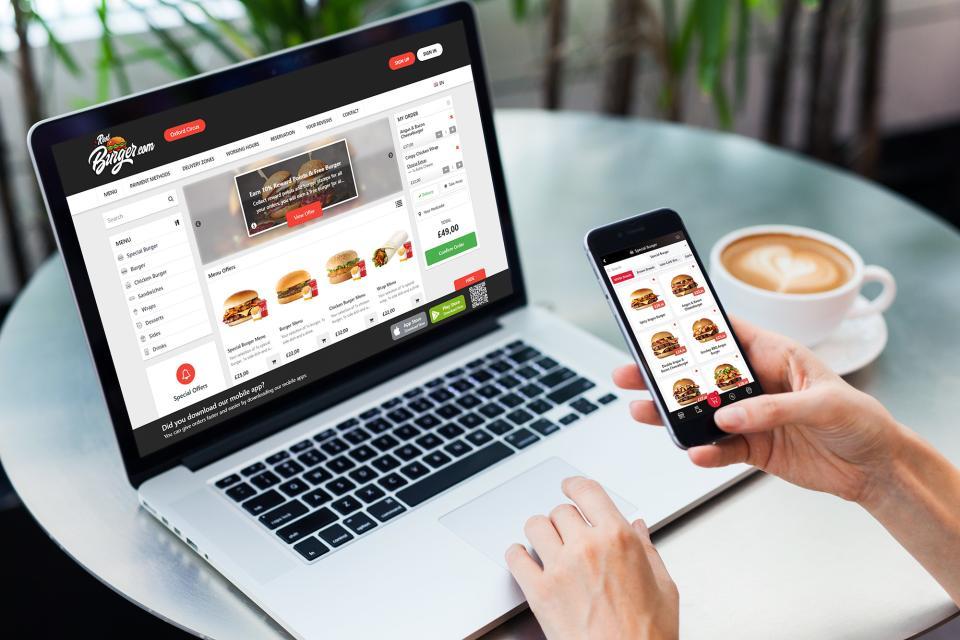
Your website is more than a digital menu. It’s your most powerful sales tool. When designed with intention, it becomes a place where visitors feel welcome, informed, and ready to order.
Custom restaurant web design speaks directly to your brand identity. It captures the atmosphere of your dining rooms. It makes ordering feel natural and easy. Most importantly, it keeps customers on your site instead of bouncing to a delivery app.
What Makes a Restaurant Website Work
Great restaurant websites share common traits. They load quickly on mobile devices. They showcase mouth-watering food photography. They make the path to ordering obvious and simple.
But there’s something deeper at play. The best sites make visitors feel something. They create a sense of connection. They tell your story in a way that builds trust and appetite.
When you combine custom restaurant web design with strong restaurant website online ordering SEO, you create a system that attracts the right people and guides them smoothly toward placing an order.
Building Your Direct Ordering System
You’re ready to take back control. The question is: where do you start?
First, you need an ordering system that lives on your website. Not a link that sends people to a third-party platform. A true, integrated solution that keeps customers in your digital space from start to finish.
This system should feel intuitive. Guests should be able to browse your menu, customize their orders, select pickup or delivery, and complete payment without confusion or frustration. Every extra click is a chance to lose the sale.
Integration With Your Operations
Your online ordering system needs to talk to your kitchen. Orders should flow directly to your point-of-sale system or kitchen display screens. This reduces errors and speeds up fulfillment.
For multi-location operators, the system should recognize which location the customer is ordering from. It should display the correct menu, prices, and availability for that specific site. This attention to detail builds confidence and reduces support calls.
Optimizing for Local Search Success
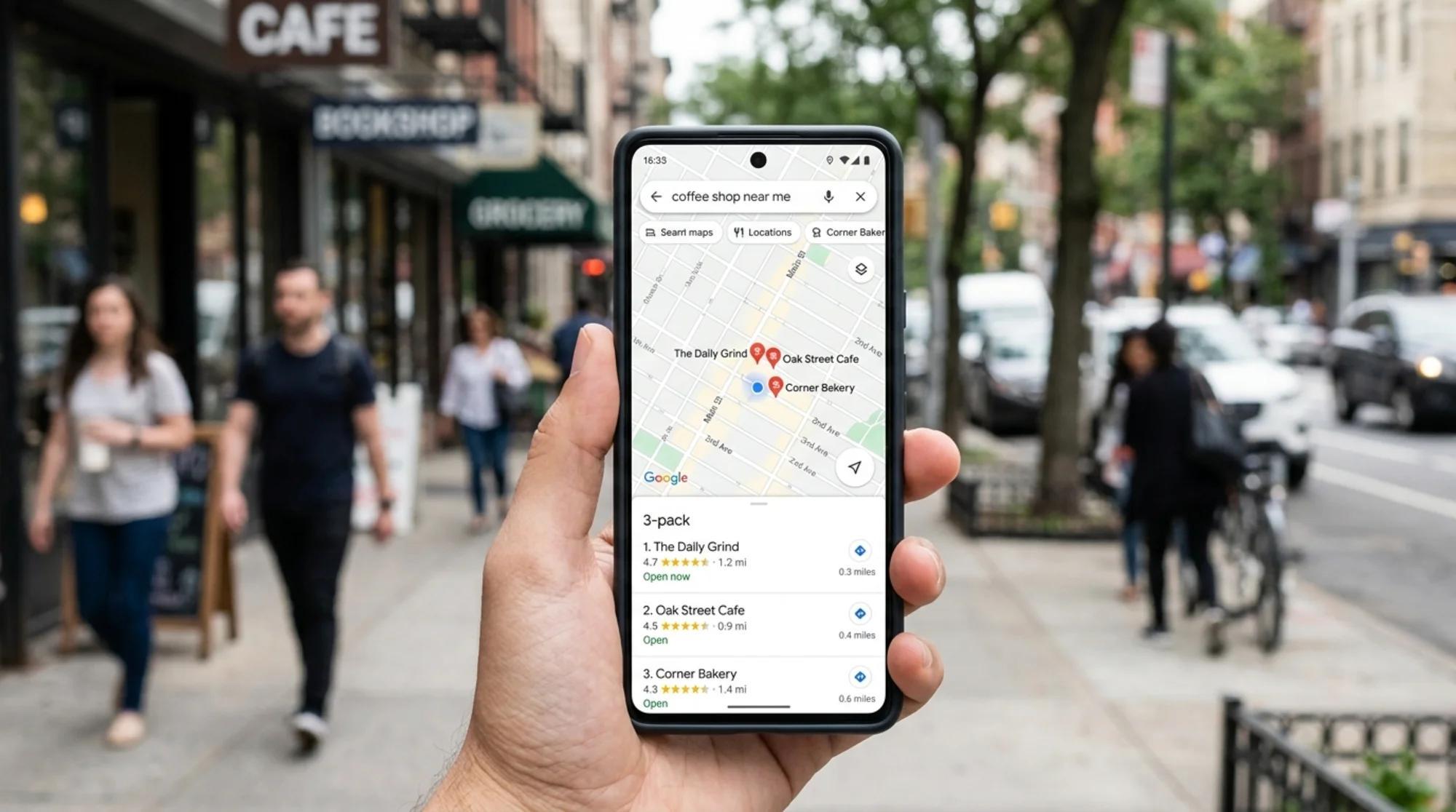
Now let’s talk about getting found. Local SEO for restaurants requires consistent effort across multiple channels. But the payoff is worth every minute you invest.
Google Business Profile Optimization
Your Google Business Profile is the foundation. This free tool controls how you appear in local search results and Google Maps. Fill out every section completely:
-
Accurate business name, address, and phone number
-
Current hours of operation for each location
-
High-quality photos of your food, interior, and exterior
-
Complete menu with prices when possible
-
Regular posts about specials, events, and updates
Respond to every review, positive or negative. Show potential customers that you care about feedback and stand behind your service. This engagement signals to Google that you’re an active, legitimate business.
Location Pages That Rank
If you operate multiple locations, each one deserves its own dedicated page on your website. These pages should include:
-
Unique content about that specific location
-
Embedded Google Map
-
Local phone number and address
-
Parking information and nearby landmarks
-
Customer reviews and testimonials
-
Online ordering button prominently displayed
Don’t copy and paste the same content across location pages. Google rewards original, helpful information. Take the time to write something genuine about each site.
Content That Connects and Converts
Your website needs more than just menu listings. Content marketing helps you beat third-party delivery app fees by establishing your expertise and building relationships with potential customers.
Blog Posts That Answer Real Questions
What do people in your community want to know? Maybe they’re searching for “best lunch spots for remote workers” or “restaurants with gluten-free options.” Create helpful content that answers these questions while naturally mentioning your offerings.
These posts serve two purposes. They improve your restaurant website online ordering SEO by targeting relevant search terms. And they demonstrate that you understand and care about your community’s needs.
Showcasing Your Story
People connect with people. Share the story behind your restaurant. Introduce your chefs. Explain where you source ingredients. Highlight your commitment to sustainability or community involvement.
This content might not directly mention ordering. But it builds the emotional connection that turns casual browsers into loyal customers. When someone feels aligned with your values, they’re more likely to order directly from you instead of through an impersonal app.
Technical SEO Foundations
Behind every great website is solid technical infrastructure. These elements might not be visible to visitors, but they’re critical for Google Map Pack restaurant ranking.
Mobile-First Design
More than 60% of restaurant searches happen on mobile devices. Your site must load quickly and function perfectly on small screens. Buttons should be easy to tap. Text should be readable without zooming. The ordering process should work flawlessly on any device.
Google prioritizes mobile-friendly sites in search results. If your site frustrates mobile users, you’re fighting an uphill battle for visibility.
Site Speed Matters
Every second counts. If your website takes more than three seconds to load, nearly half of visitors will leave before seeing your content. Compress images. Minimize code. Use a quality hosting provider. These technical improvements directly impact both user satisfaction and search rankings.
Schema Markup for Restaurants
Schema markup is code that helps Google understand your content. Restaurant-specific schema can highlight your menu, prices, reviews, and reservation options directly in search results.
This structured data makes your listings more attractive and informative. It can increase click-through rates and signal to Google that your site is authoritative and well-maintained.
Building Citations and Local Links
Your online presence extends far beyond your website. Citations are mentions of your restaurant’s name, address, and phone number across the web. Consistency matters enormously.
Make sure your information is identical across:
-
Google Business Profile
-
Yelp
-
Facebook
-
TripAdvisor
-
Local business directories
-
Chamber of commerce listings
Inconsistent information confuses Google and can hurt your rankings. Audit your citations regularly and correct any discrepancies you find.
Earning Quality Local Links
Links from other reputable websites tell Google that your restaurant is trustworthy and relevant. Focus on earning links from:
-
Local news sites covering your restaurant events
-
Food bloggers reviewing your menu
-
Community organizations you support
-
Local business associations
-
Suppliers and partners
These relationships strengthen your local SEO for restaurants while connecting you more deeply with your community.
Managing Your Online Reputation
Reviews influence both human decision-making and search rankings. Google considers the quantity, quality, and recency of your reviews when determining Google Map Pack restaurant ranking.
Encouraging Happy Customers to Share
Most satisfied customers won’t leave a review unless you ask. Make it easy and natural:
-
Include a review request in order confirmation emails
-
Add a gentle reminder on receipts
-
Train staff to mention reviews during exceptional service moments
-
Create a simple landing page with links to your review profiles
Never offer incentives for positive reviews. This violates platform policies and can result in penalties. Simply ask for honest feedback from people who enjoyed their meal.
Responding With Grace
Negative reviews sting. But they’re also opportunities to demonstrate your commitment to customer satisfaction. Respond quickly, professionally, and with genuine care.
Acknowledge the issue. Apologize for the poor experience. Offer to make it right. Even if you can’t win back that particular customer, potential diners reading your response will see that you take feedback seriously.
Measuring What Matters
You can’t improve what you don’t measure. Track these metrics to understand how well your efforts to beat third-party delivery app fees are working:
-
Organic search traffic to your website
-
Rankings for target keywords
-
Direct online orders versus third-party orders
-
Average order value by channel
-
Customer acquisition cost
-
Return customer rate
Compare your direct ordering revenue to what you were paying in commission fees. Watch that number grow as your restaurant website online ordering SEO efforts gain traction.
Tools for Tracking Success
Google Analytics shows you how people find and use your website. Google Search Console reveals which search terms bring visitors. Your ordering platform provides transaction data.
Review these reports monthly. Look for patterns and opportunities. Which location pages perform best? Which blog posts drive the most traffic? What search terms are you ranking for, and which ones need more attention?
Creating a Sustainable Marketing System
Success with local SEO for restaurants isn’t a one-time project. It’s an ongoing commitment to showing up for your community online.
Set aside time each week for:
-
Posting updates to your Google Business Profile
-
Responding to reviews
-
Creating helpful content
-
Checking your rankings
-
Updating menu information
This consistent effort compounds over time. Each post, each response, each piece of content strengthens your online presence and makes it easier for hungry diners to find you.
The Path Forward
You started reading because you’re tired of watching profits disappear to delivery apps. You know your restaurant deserves better. You’re ready to take control of your digital presence.
The combination of custom restaurant web design and strategic local SEO for restaurants creates a powerful alternative to third-party platforms. It puts you back in the driver’s seat. It lets you build direct relationships with customers. It protects your margins while improving the ordering experience.
This shift won’t happen overnight. Building strong Google Map Pack restaurant ranking takes time and consistent effort. But every direct order you capture is profit that stays with your business. Every customer relationship you own is one that can’t be taken away by an app company raising its fees.
You’ve built something special in your restaurants. The food, the atmosphere, the service. Now it’s time to build a digital presence that matches that quality. One that attracts local diners searching for exactly what you offer. One that makes ordering easy and keeps customers coming back.
Your community is searching right now. Make sure they find you first. Invest in restaurant website online ordering SEO. Create a website that reflects your brand and converts visitors to orders. Build the local search presence that brings high-intent diners directly to your door.
The tools are available. The strategy is clear. The only question left is: are you ready to reclaim your margins and build a sustainable direct ordering channel?
Your restaurant’s future is waiting. It’s time to stop paying for access to your own customers. It’s time to win the SEO game.
Frequently Asked Questions
How much can I save by switching from third-party delivery apps to direct online ordering?
Third-party apps typically charge 15% to 30% commission on every order. For a restaurant doing $50,000 in monthly delivery sales, that’s $7,500 to $15,000 in fees. By building a direct ordering system with strong restaurant website online ordering SEO, you keep those margins while controlling the customer relationship. Your savings depend on your current delivery volume and the commission rates you’re paying.
How long does it take to see results from local SEO for restaurants?
Most restaurants begin seeing measurable improvements in Google rankings within 3 to 6 months of consistent local SEO work. Quick wins like optimizing your Google Business Profile can show results in weeks. More competitive terms and Google Map Pack placement typically require sustained effort over several months. The key is consistency: regular updates, review responses, and content creation compound over time.
What features should my custom restaurant website include for online ordering?
Your site needs a mobile-friendly ordering system that integrates with your kitchen operations, clear menu presentation with photos and customization options, secure payment processing, and easy account creation for repeat customers. For multi-location operators, automatic location detection and location-specific menus are essential. The ordering flow should take no more than four clicks from menu to confirmation.
Can I rank in the Google Map Pack if I have multiple locations?
Yes, and you should create individual strategies for each location. Every site needs its own Google Business Profile, dedicated location page on your website, and unique local content. Build citations specific to each address. Encourage reviews at each location separately. Multi-location restaurants can dominate local search by treating each site as its own local SEO project while maintaining brand consistency.
How do I compete with established third-party apps that customers already use?
Focus on your advantages: no added fees for customers, direct communication about order status, loyalty programs that reward repeat business, and faster service since orders go straight to your kitchen. Promote these benefits through social media, email marketing, and in-restaurant signage. Many customers will gladly order direct when they understand they’re supporting your business and often getting better prices or perks.
How Elevated Marketing can help
We do this work every day for businesses in Indianapolis, the DC & Virginia metro, and nationwide.
→ Website Security & Monitoring→ SEO & GEO Services→ Managed Web Hosting→ More on UncategorizedGet a free audit