
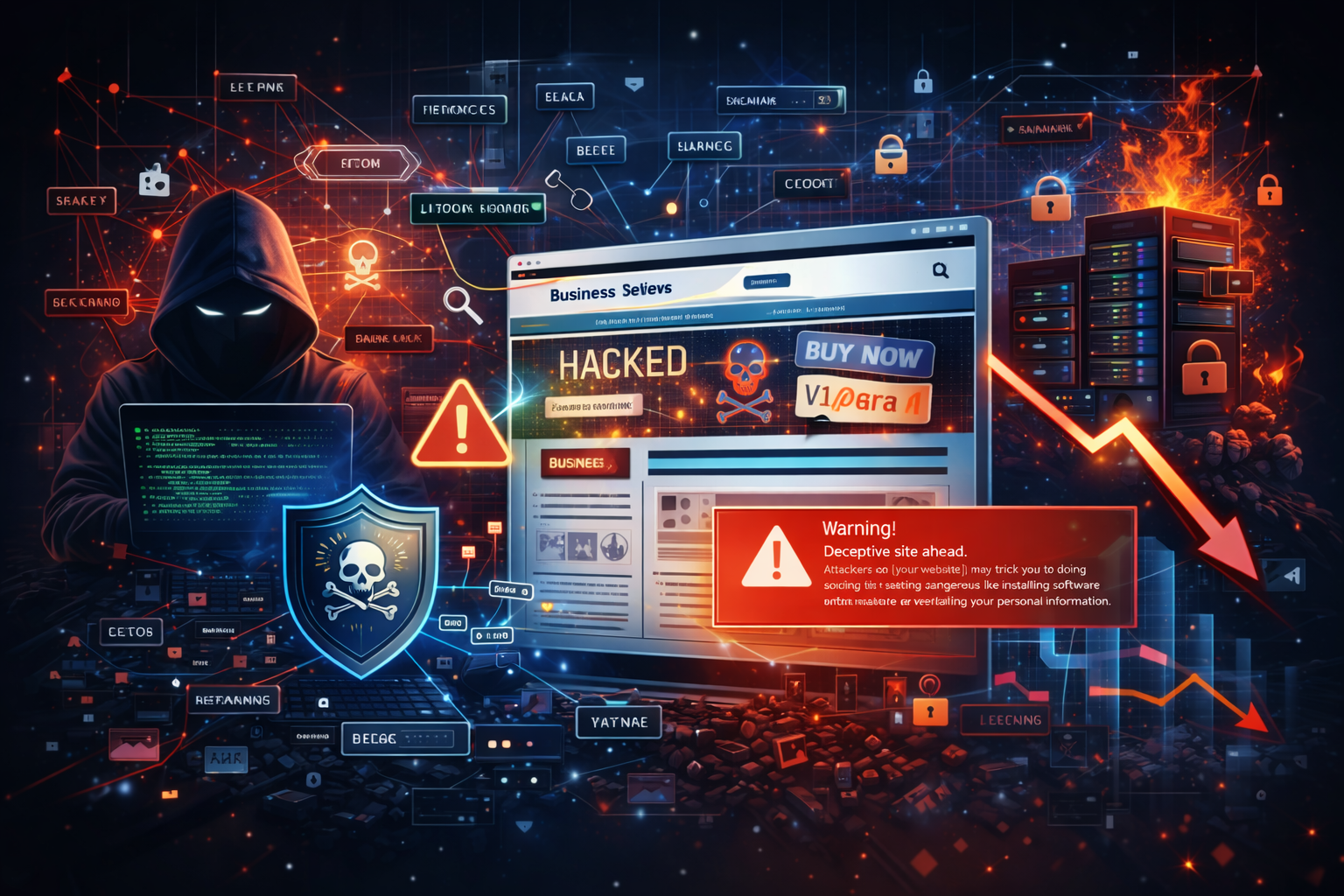
Social media account takeovers can happen in minutes, turning your carefully built brand into someone else’s playground. If you think strong passwords alone will protect you, think again. Mastering social media cybersecurity is your best chance to prevent social media hacking and keep control where it belongs. Let’s break down the smart steps to secure business social media and guard your brand protection online with solid social engineering defense.
Understanding the Real Threat to Your Social Media Accounts
Why Traditional Security Measures Fall Short
Your business depends on social media presence. Every post, comment, and interaction builds trust with your audience. When hackers gain access to your accounts, they don’t just steal data. They damage your reputation, confuse your customers, and potentially destroy years of relationship building.
The problem extends beyond weak passwords. Attackers target the human element through social engineering tactics. They manipulate, deceive, and trick people into handing over access credentials. This approach bypasses even the strongest technical defenses because it exploits human psychology rather than software vulnerabilities.
Social media cybersecurity requires a comprehensive approach that addresses both technical safeguards and human factors. Your team members represent either your strongest defense or your weakest link, depending on how well you prepare them.
The Cost of a Compromised Account
When someone takes over your brand’s social media account, the financial and reputational damage begins immediately. Attackers may post offensive content, spam your followers with scams, or lock you out entirely while demanding ransom payments.
Your customers lose trust. They question whether their personal information is safe with your company. Media coverage amplifies the damage, and competitors gain ground while you scramble to regain control.
Recovery takes time and resources. You must verify your identity to platform support teams, rebuild follower trust, and repair your brand image. The average cost of a social media breach extends far beyond immediate financial losses. It includes lost business opportunities, decreased customer lifetime value, and increased marketing expenses to rebuild your reputation.
Building Your Social Engineering Defense Strategy
Recognizing Social Engineering Tactics
Social engineering attacks come in many forms. Phishing emails appear to come from legitimate sources, asking team members to verify account information or click suspicious links. Pretexting involves attackers creating false scenarios to gain trust and extract information. Baiting offers something attractive, like a free tool or resource, that actually contains malware.
Your team must learn to spot red flags. Urgent requests for password resets, unexpected messages from executives asking for account access, and unsolicited offers that seem too good to be true all warrant skepticism.
Train your staff to verify requests through separate communication channels. If someone emails asking for login credentials, call them directly using a known phone number. Never trust contact information provided in a suspicious message.
To prevent social media hacking, establish clear protocols for how account access requests are handled. Document these procedures and ensure every team member understands their role in maintaining security.
Implementing Multi-Factor Authentication
Multi-factor authentication (MFA) provides essential protection for your social media accounts. This security measure requires users to provide two or more verification factors to gain access. Even if attackers steal passwords, they cannot log in without the additional authentication factor.
Choose authentication methods that fit your business needs. SMS codes offer basic protection but can be intercepted. Authenticator apps provide stronger security by generating time-based codes. Hardware security keys represent the most secure option, requiring physical possession of a device to log in.
Enable MFA on every social media account your business uses. This single step dramatically reduces your risk of unauthorized access. Make MFA mandatory for all team members with account access, without exception.
Review your authentication settings regularly. Platforms update their security features, and you should take advantage of new protections as they become available. Your commitment to secure business social media starts with adopting proven authentication methods.
Creating Strong Access Control Policies
Not every team member needs full administrative access to your social media accounts. Limit permissions based on job responsibilities. Content creators need posting abilities but not necessarily account settings access. Customer service representatives require message response capabilities but not full control.
Document who has access to which accounts and what level of permissions they hold. Review this list quarterly and remove access for team members who change roles or leave your organization. Orphaned accounts with unnecessary permissions create vulnerabilities that attackers can exploit.
Use role-based access control when platforms support it. This approach assigns permissions based on job functions rather than individuals, making it easier to manage access as your team grows and changes.
Establish approval processes for granting new access. Require written requests that specify the business need and appropriate permission level. This formal process creates accountability and helps prevent casual or unnecessary access grants.
Technical Safeguards for Brand Protection Online
Securing Your Network Infrastructure
Your social media cybersecurity extends beyond the platforms themselves. The networks your team uses to access accounts require protection. Public WiFi networks present particular risks because attackers can intercept data transmitted over unsecured connections.
Require virtual private network (VPN) use when team members access social media accounts from outside your office. VPNs encrypt internet traffic, preventing interception even on compromised networks. Choose reputable VPN providers with strong security track records.
Keep all devices used for social media management updated with the latest security patches. Operating systems, browsers, and applications all require regular updates to fix newly found vulnerabilities. Enable automatic updates where possible to ensure protection stays current.
Install and maintain quality antivirus and anti-malware software on every device with social media account access. These tools detect and block malicious software that could steal credentials or compromise account security.
Monitoring Account Activity
Active monitoring helps you detect unauthorized access quickly. Most social media platforms provide activity logs showing login locations, times, and devices. Review these logs regularly for suspicious patterns.
Set up alerts for unusual activity. Logins from unexpected geographic locations, access at odd hours, or use of unrecognized devices all warrant investigation. The faster you detect potential breaches, the less damage attackers can cause.
Third-party social media management tools often include security monitoring features. These platforms can alert you to unusual posting patterns, follower changes, or other indicators of compromise. Consider whether these tools fit your security needs and budget.
Document your monitoring procedures and assign responsibility for regular reviews. Security monitoring only works when someone actually examines the data and responds to anomalies.
Developing a Comprehensive Response Plan
Preparing for the Worst
Despite your best efforts to prevent social media hacking, you must prepare for potential breaches. A detailed incident response plan ensures your team knows exactly what to do if an account is compromised.
Your response plan should include immediate steps to secure the account, such as changing passwords and revoking suspicious sessions. List contact information for platform support teams and document the verification information they may require to confirm your identity.
Identify who has authority to make decisions during a security incident. Clear leadership prevents confusion and delays when quick action is necessary. Designate primary and backup contacts to ensure coverage at all times.
Create communication templates for notifying stakeholders about a breach. You need different messages for internal teams, customers, media, and business partners. Preparing these in advance allows faster, more professional communication during a crisis.
Testing Your Defenses
Regular security testing identifies weaknesses before attackers exploit them. Conduct simulated phishing campaigns to assess how well your team recognizes social engineering attempts. Use these exercises as teaching opportunities rather than punishment when team members fall for test attacks.
Schedule tabletop exercises where your team walks through breach response procedures. These practice sessions reveal gaps in your plans and help team members understand their responsibilities. Update your procedures based on lessons learned during exercises.
Review and update your security policies annually at minimum. Technology changes, new threats emerge, and your business evolves. Your social engineering defense must adapt to remain effective.
Bring in external security experts to audit your social media security posture. Fresh perspectives often identify vulnerabilities that internal teams overlook. Professional assessments provide objective measurements of your security maturity.
Training Your Team for Long-Term Success
Building a Security-Conscious Culture
Technology alone cannot secure business social media. Your team’s knowledge, vigilance, and commitment to security practices determine your true protection level. Building a security-conscious culture requires ongoing effort and leadership support.
Make security training mandatory for all team members with social media access. Cover password management, phishing recognition, social engineering tactics, and proper account handling procedures. Provide refresher training at least annually and whenever new threats emerge.
Encourage team members to report suspicious activity without fear of blame. Create clear channels for security concerns and respond promptly to reports. When employees see that their vigilance is valued, they become more engaged in protecting your accounts.
Share real-world examples of social media breaches and their consequences. Concrete cases help team members understand why security procedures matter and what happens when defenses fail. Use these examples to reinforce training concepts and maintain awareness.
Staying Current with Evolving Threats
The threat environment changes constantly. Attackers develop new tactics, platforms introduce new features with security implications, and regulatory requirements evolve. Your brand protection online requires continuous learning and adaptation.
Subscribe to security newsletters and threat intelligence services relevant to social media. These resources alert you to new attack methods and emerging vulnerabilities. Share important updates with your team promptly.
Participate in industry forums and professional groups focused on social media security. Learning from peers who face similar challenges provides practical insights and proven solutions. These communities often share threat information before it becomes widely known.
Budget for ongoing security education. Send team members to relevant conferences, pay for professional certifications, and invest in updated training materials. The cost of education is minimal compared to the potential cost of a breach.
Advanced Protection Measures
Implementing Account Recovery Safeguards
Account recovery processes, designed to help legitimate users regain access, often create security vulnerabilities. Attackers exploit these processes to take over accounts by impersonating owners.
Configure recovery options carefully. Avoid using easily guessed security questions or answers that attackers might find through social media research. Use unique, complex answers that you store securely rather than memorable personal information.
Designate trusted contacts or backup email addresses for account recovery. Choose options that you control completely and that have their own strong security measures. Never use personal email accounts that lack proper protection for business account recovery.
Document your recovery credentials and store them securely. Use a business password manager or secure vault that multiple authorized personnel can access. If the person who set up recovery options leaves your organization, you need this information to maintain account control.
Protecting Against Insider Threats
Not all threats come from external attackers. Disgruntled employees, careless team members, or compromised insiders can cause significant damage. Your security strategy must address these internal risks.
Separate duties so that no single person controls all aspects of your social media presence. Require multiple approvals for significant account changes like transferring ownership or modifying security settings. This separation of duties prevents any individual from having too much power.
Monitor for unusual behavior by authorized users. Sudden changes in access patterns, attempts to gain unnecessary permissions, or suspicious content posting may indicate problems. Balance monitoring with respect for employee privacy by focusing on business account activity rather than personal communications.
Conduct exit interviews that include specific questions about account access and credentials. Immediately revoke all access when team members leave your organization, regardless of the circumstances. Former employees should never retain the ability to access your business accounts.
Leveraging Platform-Specific Security Features
Each social media platform offers unique security features. Familiarize yourself with the specific protections available on every platform your business uses.
Facebook provides login alerts, trusted contacts, and code generator features. Twitter offers login verification and connected apps management. LinkedIn includes two-step verification and device management. Instagram provides login activity tracking and security checkup tools.
Enable all available security features that don’t interfere with legitimate business operations. These platform-provided protections are designed specifically for their environments and often catch threats that generic security tools miss.
Review platform security settings whenever you receive notifications about new features or changes. Platforms regularly enhance their security offerings, and you should adopt new protections as they become available.
Measuring and Improving Your Security Posture
Establishing Security Metrics
You cannot improve what you don’t measure. Establish clear metrics for evaluating your social media cybersecurity effectiveness. Track indicators like the percentage of accounts with MFA enabled, time to detect suspicious activity, and team member performance on security training assessments.
Monitor compliance with your security policies. Regular audits should verify that access controls match documented policies, that former employees no longer have access, and that monitoring procedures are being followed.
Benchmark your security practices against industry standards and competitors. Understanding where you stand relative to others helps identify improvement opportunities and justifies security investments to leadership.
Report security metrics to executive leadership regularly. When executives understand your security posture and see ongoing improvements, they are more likely to support necessary investments in tools, training, and personnel.
Continuous Improvement
Social media security is not a one-time project but an ongoing process. Commit to regular reviews and updates of your security program.
After any security incident, conduct a thorough post-mortem analysis. Identify what went wrong, what went right, and what you can improve. Update your procedures based on these lessons and share findings with your team.
Stay informed about emerging best practices in social media security. Technology and threats evolve, and your defenses must evolve with them. Allocate time and resources for security program enhancements.
Celebrate security successes with your team. When you detect and block an attack, when team members report suspicious activity, or when audits show improved compliance, recognize these achievements. Positive reinforcement builds the security-conscious culture that protects your brand.
Protecting Your Brand for the Long Term
Your social media presence represents years of effort, investment, and relationship building. Protecting these valuable assets requires commitment, vigilance, and comprehensive security measures.
Social engineering defense starts with understanding that attackers target people, not just technology. Train your team, implement strong technical controls, and maintain constant awareness of evolving threats. The combination of prepared people and proper technology creates the resilient defense your brand needs.
To prevent social media hacking, you must address every vulnerability. Strong passwords, multi-factor authentication, access controls, network security, activity monitoring, and incident response planning all play essential roles. Weakness in any area creates opportunities for attackers.
Secure business social media through continuous effort and improvement. Security is not a destination but a journey that requires ongoing attention, investment, and adaptation. The threat environment changes, your business evolves, and your defenses must keep pace.
Brand protection online demands executive support and organizational commitment. Security cannot be the sole responsibility of your IT team or social media managers. Every team member who touches your social media accounts must understand their role in maintaining security.
The investment you make in social media cybersecurity pays dividends in preserved reputation, maintained customer trust, and uninterrupted business operations. The cost of prevention is always lower than the cost of recovery after a breach.
Take action today to assess your current security posture, identify gaps, and implement the protections your brand needs. Your audience, your reputation, and your business success depend on the security measures you put in place now.
How Elevated Marketing can help
We do this work every day for businesses in Indianapolis, the DC & Virginia metro, and nationwide.
→ Website Security & Monitoring→ SEO & GEO Services→ Managed Web Hosting→ Digital marketing agency in Indianapolis→ More on Social Media MarketingGet a free audit