

Malicious code can slip into your website the moment you least expect it, putting your user data and reputation on the line. Without constant vigilance, unauthorized script modifications can go unnoticed until search engines flag your site, causing costly penalties. Real time web threat monitoring with website file integrity monitoring catches threats early and stops malware before it defaces your site or compromises data. Here’s how automated website security containment keeps your site safe around the clock.
Understanding the Growing Threat to Website Integrity
Modern websites face an escalating barrage of sophisticated attacks designed to inject malicious code, steal sensitive data, and damage brand reputation. Cybercriminals continuously develop new methods to compromise web assets, targeting vulnerabilities in content management systems, plugins, and custom code. For IT Security Directors and Compliance Officers at mid-market firms, the stakes have never been higher.
When attackers successfully inject malicious scripts into your website files, the consequences extend far beyond immediate technical issues. Search engines like Google actively scan websites for security threats, and once they detect unauthorized script modifications, your site may be flagged, de-indexed, or labeled as dangerous to visitors. These penalties can devastate organic traffic, erode customer trust, and result in significant revenue loss.
The challenge lies in the speed and stealth of modern attacks. Traditional security measures that rely on periodic scans or manual reviews simply cannot keep pace with threats that can compromise your site within minutes. This reality demands a proactive approach centered on continuous monitoring and immediate response capabilities.
The Critical Role of Website File Integrity Monitoring
Website file integrity monitoring serves as your first line of defense against unauthorized changes to your web assets. This security approach continuously tracks every file on your server, creating cryptographic hashes that act as unique fingerprints for each file’s legitimate state. When any file changes, even by a single character, the monitoring system immediately detects the discrepancy.
This level of precision is essential because attackers often make subtle modifications designed to evade detection. A single line of JavaScript injected into a legitimate file can create a backdoor for data theft, redirect users to phishing sites, or install malware on visitor devices. Without real time web threat monitoring, these changes might persist for weeks or months, silently compromising your security posture.
The technology behind file integrity monitoring has evolved to handle the complexity of modern web environments. Advanced systems can distinguish between legitimate updates made by authorized administrators and suspicious changes that indicate a security breach. This intelligence reduces false positives while ensuring that genuine threats receive immediate attention.
How File Integrity Monitoring Detects Threats
The detection process begins with establishing a baseline of your website’s legitimate file structure. Every file receives a cryptographic hash based on its content, creating a comprehensive map of your site’s authentic state. The monitoring system then performs continuous checks, comparing current file states against this trusted baseline.
When the system identifies a discrepancy, it triggers an alert that includes detailed information about what changed, when the modification occurred, and which specific files were affected. This granular visibility enables security teams to quickly assess whether a change represents a legitimate update or a potential security incident.
Modern website file integrity monitoring solutions can detect unauthorized script modifications across all file types, including HTML, PHP, JavaScript, CSS, and configuration files. This comprehensive coverage ensures that no attack vector goes unmonitored, regardless of the technique employed by attackers.
Real Time Web Threat Monitoring: Speed Matters
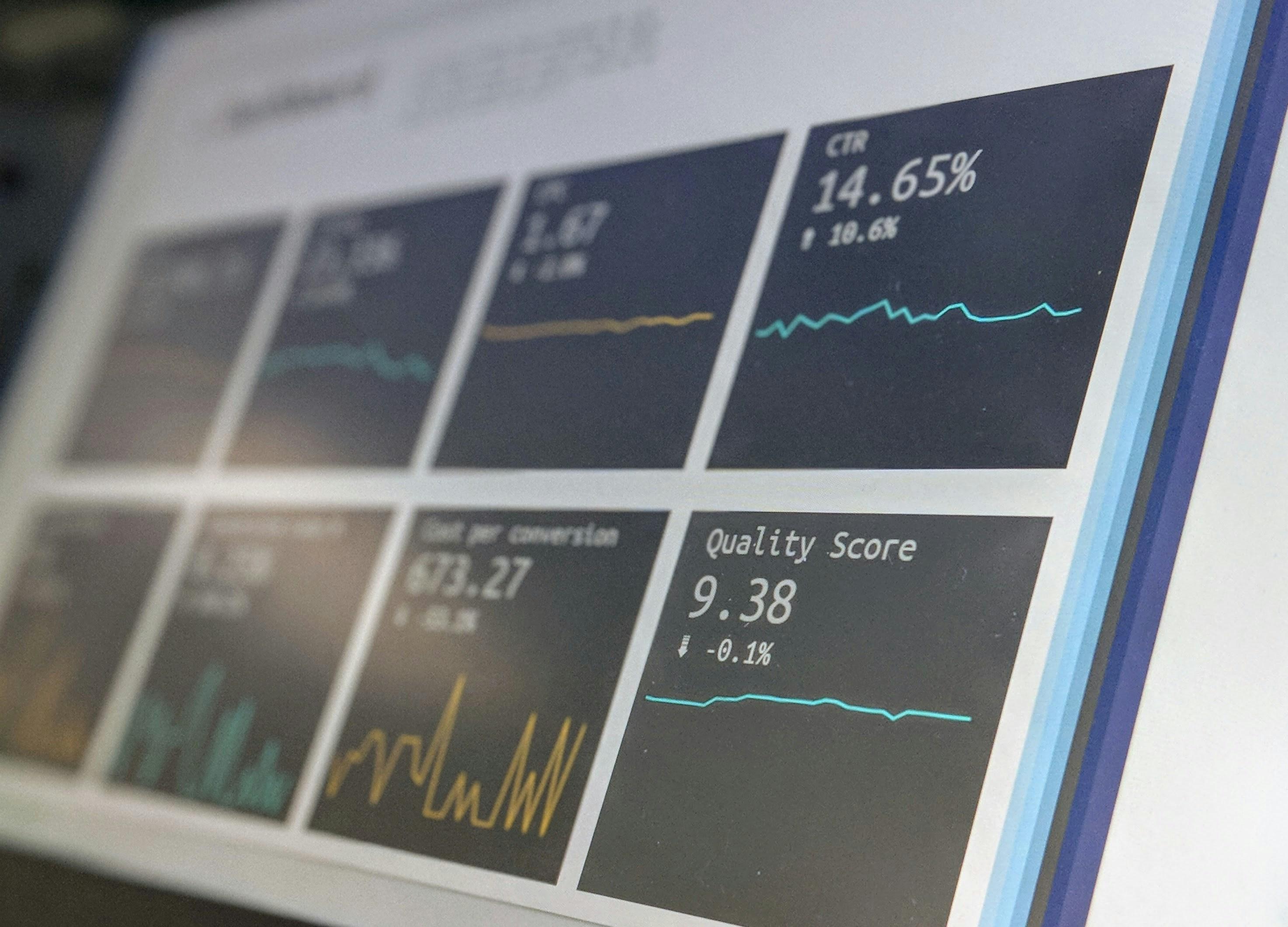
The “real time” aspect of threat monitoring represents a critical differentiator in modern website security. Traditional security scans that run daily or weekly create dangerous gaps where malicious code can operate undetected. Real time web threat monitoring eliminates these blind spots by providing continuous surveillance of your web assets.
When malicious code is injected into your website, every minute it remains active increases the potential damage. Attackers may steal customer credentials, harvest payment information, or use your site to distribute malware to visitors. Search engine crawlers regularly index web pages, and if they encounter malicious content during their scans, your site faces immediate penalties.
Real time monitoring systems operate on intervals measured in seconds or minutes, ensuring that threats are identified almost instantaneously. This rapid detection capability allows security teams to respond before search engines flag your site, before customer data is compromised, and before your reputation suffers lasting damage.
The Automation Advantage
Manual security monitoring simply cannot match the speed and consistency required for effective threat detection. Human analysts cannot review thousands of files multiple times per minute, nor can they maintain perfect vigilance 24 hours a day, seven days a week. Automated website security containment bridges this gap by providing tireless, algorithmic surveillance that never sleeps.
Automation also enables immediate response actions when threats are detected. Advanced systems can automatically quarantine compromised files, block suspicious IP addresses, or roll back unauthorized changes to restore your site to its last known good state. These automated responses can contain threats within seconds, preventing the escalation of minor incidents into major breaches.
For mid-market firms with limited security staff, automation multiplies the effectiveness of available resources. Instead of spending hours manually checking files or investigating false alarms, security teams can focus on strategic initiatives while automated systems handle continuous monitoring and initial threat response.
Preventing Website Defacement Malware
Website defacement represents one of the most visible and damaging forms of cyber attack. When attackers replace your legitimate content with their own messages, images, or propaganda, the impact on brand reputation can be severe and long-lasting. Customers who encounter a defaced website immediately question your security practices and may lose trust in your ability to protect their data.
Defacement attacks often serve as cover for more sinister activities. While the visible changes grab attention, attackers may simultaneously install backdoors, inject data-stealing scripts, or create persistent access mechanisms for future exploitation. To prevent website defacement malware, organizations need detection systems that can identify both obvious content changes and subtle code injections.
File integrity monitoring excels at preventing defacement because it treats all unauthorized changes as potential threats. Whether an attacker replaces your homepage with a political message or injects a single line of malicious JavaScript, the monitoring system detects the modification immediately. This capability ensures that defacement attempts are caught and contained before they become public embarrassments.
Common Defacement Techniques
Attackers employ various methods to deface websites, each requiring specific detection capabilities. Some gain access through compromised credentials, using legitimate login mechanisms to make unauthorized changes. Others exploit software vulnerabilities in content management systems, plugins, or custom applications. File upload vulnerabilities allow attackers to place malicious files directly on your server, while SQL injection attacks can modify database content that feeds into your web pages.
Comprehensive website file integrity monitoring addresses all these attack vectors by monitoring the actual file system where your website resides. Regardless of how attackers gain access or what method they use to modify content, the file-level changes trigger immediate alerts. This approach provides a universal defense mechanism that works across all attack types.
Automated Website Security Containment Strategies
Detection alone is insufficient for modern threat response. Once a threat is identified, organizations need rapid containment strategies to prevent damage escalation. Automated website security containment systems provide pre-configured response actions that execute immediately upon threat detection, minimizing the window of vulnerability.
Containment strategies vary based on the nature of the threat and your organization’s risk tolerance. Some organizations prefer aggressive automatic responses that immediately take compromised files offline, while others opt for alert-based approaches that notify security teams for manual review. The optimal strategy balances security requirements with operational continuity.
Effective containment also requires integration with broader security infrastructure. File integrity monitoring systems should connect with firewalls, intrusion detection systems, and security information and event management (SIEM) platforms to provide coordinated defense capabilities. This integration enables comprehensive threat response that addresses not just the immediate file modification but also the underlying attack vector.
Quarantine and Restoration Procedures
When website file integrity monitoring detects unauthorized script modifications, automated quarantine procedures can immediately isolate affected files. The system moves compromised files to a secure location where they cannot execute or serve content to visitors, while simultaneously restoring clean versions from backup repositories.
This quarantine and restoration process happens in seconds, often before any visitor encounters the malicious content. The speed of automated response dramatically reduces the risk of search engine penalties, as crawlers are unlikely to index compromised content that exists for only brief moments.
After quarantine, security teams can analyze the compromised files in a safe environment to understand the attack method, identify the entry point, and develop remediation strategies. This forensic capability transforms each incident into a learning opportunity that strengthens your overall security posture.
Protecting Against Search Engine Penalties

Search engines invest heavily in protecting their users from malicious websites. Google, Bing, and other major search platforms maintain sophisticated scanning systems that continuously evaluate websites for security threats. When they detect unauthorized script modifications, malware, or phishing content, they take immediate action to protect users.
The penalties for security issues can be severe. Google’s Safe Browsing system displays prominent warning messages to users attempting to visit flagged sites, effectively blocking most traffic. Infected sites may be removed from search results entirely, eliminating organic visibility. Even after remediation, it can take weeks for search engines to re-evaluate and remove warnings, resulting in extended periods of lost traffic and revenue.
Real time web threat monitoring provides critical protection against these penalties by ensuring that malicious content is detected and removed before search engine crawlers encounter it. The speed differential between continuous monitoring (checking every few minutes) and typical search engine crawl intervals (hours or days) creates a protective buffer that keeps your site clean in the eyes of search platforms.
The De-Indexing Threat
Beyond warning messages, severe or repeated security issues can result in complete de-indexing, where search engines remove all your pages from their databases. For businesses that rely on organic search traffic, de-indexing represents an existential threat that can take months or years to fully recover from.
Prevention is the only viable strategy for avoiding de-indexing. Once your site is removed from search indexes, you face a lengthy appeals process, even after resolving the underlying security issues. Search engines must re-crawl your entire site, verify that all malicious content is removed, and gradually restore your pages to their index. During this period, competitors capture market share that may never be recovered.
Website file integrity monitoring prevents this scenario by maintaining constant vigilance over your web assets. The system ensures that any compromise is detected and resolved within minutes, long before search engines can flag your site or initiate de-indexing procedures.
Compliance and Regulatory Considerations
For Compliance Officers at mid-market firms, website security extends beyond protecting against immediate threats. Many regulatory frameworks mandate specific security controls, including continuous monitoring and rapid incident response. The Payment Card Industry Data Security Standard (PCI DSS), Health Insurance Portability and Accountability Act (HIPAA), and General Data Protection Regulation (GDPR) all include requirements that align closely with file integrity monitoring capabilities.
PCI DSS Requirement 11.5 specifically mandates file integrity monitoring for organizations that handle payment card data. Compliance requires deploying systems that detect unauthorized script modifications and alert security personnel to investigate. Failure to maintain these controls can result in substantial fines, loss of payment processing privileges, and mandatory security audits.
GDPR’s emphasis on data protection by design and by default creates implicit requirements for proactive security monitoring. Organizations must demonstrate that they have appropriate technical measures in place to protect personal data from unauthorized access or modification. Real time web threat monitoring provides documented evidence of your commitment to data protection, supporting compliance efforts and reducing liability exposure.
Audit Trail Requirements
Regulatory frameworks typically require detailed audit trails that document security events, response actions, and system changes. Website file integrity monitoring systems generate comprehensive logs that record every file change, whether authorized or malicious. These logs provide the documentation needed to demonstrate compliance during audits and investigations.
The audit trail also supports incident response and forensic analysis. When a security event occurs, detailed logs enable security teams to reconstruct the attack timeline, identify compromised data, and assess the scope of impact. This information is critical for breach notification requirements under regulations like GDPR, which mandate timely reporting of data breaches to authorities and affected individuals.
Building a Comprehensive Security Strategy
While website file integrity monitoring provides powerful protection against unauthorized changes, it functions best as part of a layered security strategy. Comprehensive website protection requires multiple defensive mechanisms that address different threat vectors and attack stages.
Web application firewalls (WAF) provide front-line defense by filtering malicious traffic before it reaches your web server. These systems can block common attack patterns like SQL injection, cross-site scripting, and brute force login attempts. When combined with file integrity monitoring, WAFs create a two-tier defense that prevents most attacks and detects any that slip through.
Regular vulnerability scanning identifies weaknesses in your website code, server configuration, and third-party components before attackers can exploit them. Scheduled scans should complement continuous file monitoring, providing periodic deep analysis of your security posture. Together, these approaches ensure both reactive detection and proactive vulnerability management.
The Human Element
Technology alone cannot guarantee website security. Even the most advanced automated website security containment systems require knowledgeable personnel to configure policies, respond to alerts, and conduct remediation activities. Investing in security training for IT staff ensures that your team can effectively leverage monitoring tools and respond appropriately to threats.
Security awareness extends beyond the IT department. Developers, content managers, and other staff with website access need training on secure practices, password management, and social engineering recognition. Many website compromises begin with compromised credentials obtained through phishing attacks targeting non-technical staff.
Implementing Real Time Monitoring: Best Practices
Successful implementation of real time web threat monitoring requires careful planning and configuration. Begin by conducting a comprehensive inventory of all web assets, including production sites, development environments, and staging servers. Each environment should receive appropriate monitoring coverage based on its risk profile and role in your infrastructure.
Establish clear baselines for all monitored files during a known-good state. This typically means implementing monitoring immediately after a security audit or clean installation, before any potential compromise. Accurate baselines are critical for reducing false positives and ensuring that the system can reliably detect unauthorized script modifications.
Configure alert thresholds and notification procedures based on your organization’s operational requirements. High-priority alerts for critical file changes should trigger immediate notifications to security staff through multiple channels, including email, SMS, and integration with incident management platforms. Lower-priority alerts for less sensitive files might batch into periodic reports for review.
Testing and Validation
After deployment, conduct thorough testing to validate that monitoring systems detect threats as expected. Create controlled test scenarios where authorized personnel make unauthorized changes to monitored files, then verify that the system generates appropriate alerts and executes containment procedures. This testing builds confidence in your security controls and identifies any configuration gaps before real attacks occur.
Regular testing should continue as an ongoing practice. Quarterly or semi-annual validation exercises ensure that monitoring systems continue to function correctly as your website evolves. These exercises also provide valuable training opportunities for security staff to practice incident response procedures in a controlled environment.
Measuring Security Program Effectiveness
IT Security Directors need concrete metrics to evaluate security program performance and justify continued investment. Real time web threat monitoring systems generate valuable data that supports both operational management and executive reporting.
Track key performance indicators like mean time to detect (MTTD) and mean time to respond (MTTR) for security incidents. These metrics demonstrate the speed and effectiveness of your threat detection and response capabilities. Improvements in these metrics over time indicate maturing security operations and justify investments in automated website security containment.
Monitor the volume and types of threats detected to identify trends and emerging attack patterns. An increase in specific attack types might indicate that your organization is being targeted or that new vulnerabilities have been published. This intelligence enables proactive security improvements before successful compromises occur.
Return on Investment
Calculating the return on investment for security monitoring requires considering both direct costs avoided and indirect business value protected. Direct costs include incident response expenses, forensic analysis fees, and potential regulatory fines that would result from undetected breaches. These tangible savings often justify monitoring investments on their own.
Indirect value includes brand reputation protection, customer trust maintenance, and business continuity assurance. While harder to quantify, these factors drive long-term business success and competitive advantage. Organizations with strong security reputations attract customers who value data protection, while those with public breach histories face lasting market disadvantages.
The Future of Website Security Monitoring
The threat environment continues to evolve, with attackers developing increasingly sophisticated methods to compromise websites and evade detection. Future security monitoring systems will need to incorporate artificial intelligence and machine learning capabilities to identify novel attack patterns and zero-day exploits that don’t match known signatures.
Behavioral analysis will play a growing role in threat detection, supplementing traditional file integrity checks with analysis of how files are accessed and modified. Systems that understand normal patterns of website administration can identify suspicious activities even when file changes appear superficially legitimate.
Cloud-based monitoring services will continue to gain adoption, offering mid-market firms access to enterprise-grade security capabilities without requiring extensive on-premises infrastructure. These services provide centralized monitoring across multiple websites and servers, with expert security analysts available to assist with threat response and remediation.
Taking Action to Protect Your Website
The question facing IT Security Directors and Compliance Officers is not whether to implement website file integrity monitoring, but how quickly they can deploy these critical protections. Every day without real time web threat monitoring represents a window of vulnerability where malicious code could compromise your site, steal customer data, or trigger search engine penalties.
Begin by assessing your current security posture and identifying gaps in your ability to detect unauthorized script modifications. Evaluate monitoring solutions based on their detection speed, automation capabilities, and integration with your existing security infrastructure. Prioritize solutions that offer automated website security containment to minimize response times and reduce the burden on security staff.
Develop an implementation roadmap that addresses both immediate quick wins and longer-term strategic improvements. Quick wins might include deploying monitoring on your most critical public-facing websites, while strategic initiatives could involve comprehensive coverage across all web assets and development of advanced response playbooks.
Remember that website security is not a one-time project but an ongoing operational requirement. The most effective security programs combine advanced technology with skilled personnel, clear procedures, and continuous improvement practices. By committing to this comprehensive approach, you can prevent website defacement malware, protect customer data, and maintain the trust that drives business success.
Your website represents a critical business asset that deserves the same protection as your physical facilities and financial systems. Real time web threat monitoring with website file integrity monitoring provides that protection, ensuring that your online presence remains secure, trusted, and penalty-free in an increasingly hostile digital environment.
Frequently Asked Questions
What is website file integrity monitoring and how does it work?
Website file integrity monitoring continuously tracks all files on your web server by creating cryptographic hashes that serve as unique fingerprints for each file. When any file changes, the system immediately detects the discrepancy by comparing current file states against a trusted baseline. This allows security teams to identify unauthorized script modifications within seconds, long before they can cause damage or trigger search engine penalties.
How quickly can real time web threat monitoring detect malicious code?
Real time web threat monitoring systems typically check files every few minutes, detecting unauthorized changes within seconds of occurrence. This rapid detection enables security teams to respond before search engines flag your site or customer data is compromised. Automated response capabilities can quarantine threats and restore clean files within moments, minimizing the window of vulnerability to mere seconds.
Can file integrity monitoring prevent all types of website attacks?
Website file integrity monitoring excels at detecting unauthorized changes to files, including defacement, malicious script injection, and backdoor installation. It works best as part of a layered security strategy that includes web application firewalls, vulnerability scanning, and access controls. While no single security measure prevents all attacks, file integrity monitoring provides critical detection capabilities that catch threats other systems might miss.
What happens when the system detects unauthorized script modifications?
When unauthorized script modifications are detected, the system immediately alerts security personnel through multiple channels and can execute automated containment procedures. These procedures typically include quarantining compromised files, blocking suspicious IP addresses, and restoring clean versions from backup. Security teams then investigate the incident to identify the attack vector and implement additional protections to prevent recurrence.
How does automated website security containment help with compliance requirements?
Automated website security containment directly supports compliance with regulations like PCI DSS, HIPAA, and GDPR by providing continuous monitoring, rapid threat detection, and detailed audit trails. These systems generate comprehensive logs that document all file changes and security events, providing the evidence needed during audits. The automated nature ensures consistent application of security controls without relying on manual processes that can fail or be overlooked.
How Elevated Marketing can help
We do this work every day for businesses in Indianapolis, the DC & Virginia metro, and nationwide.
→ Website Security & Monitoring→ SEO & GEO Services→ Managed Web Hosting→ More on UncategorizedGet a free audit