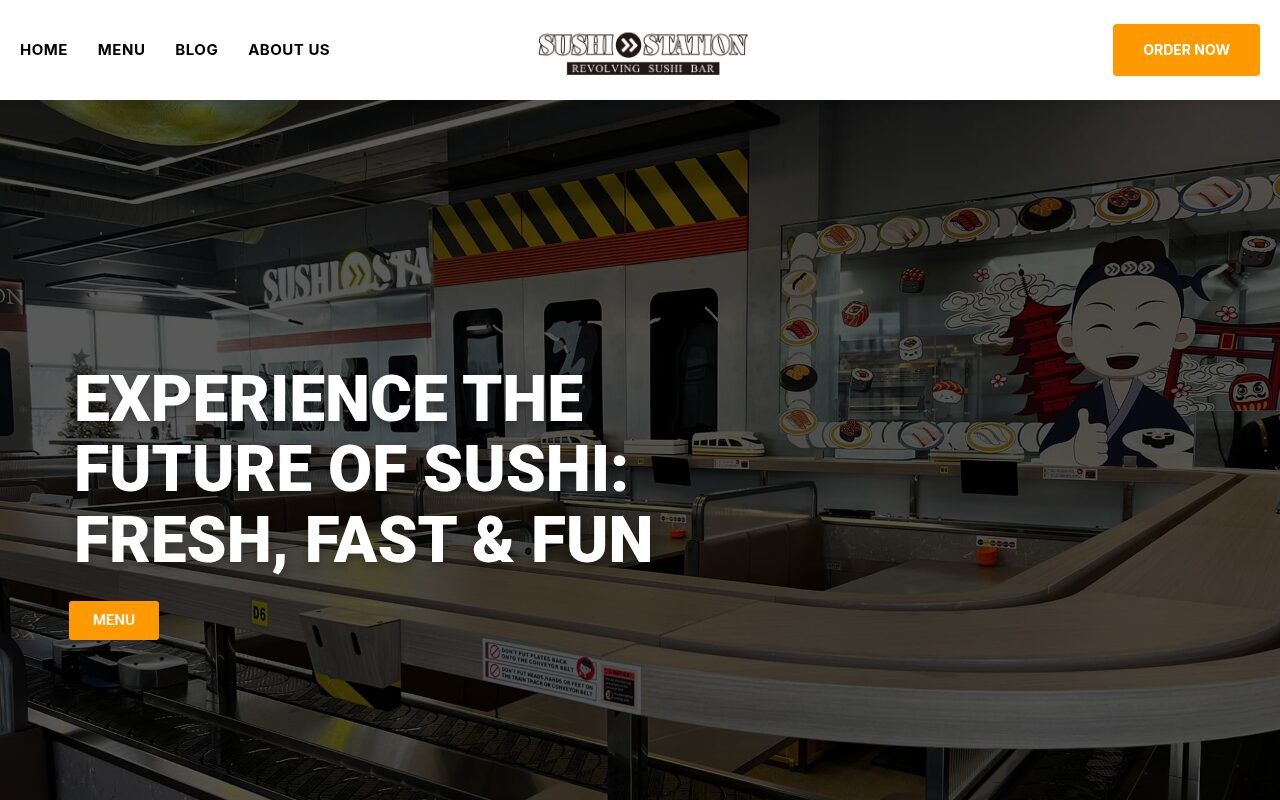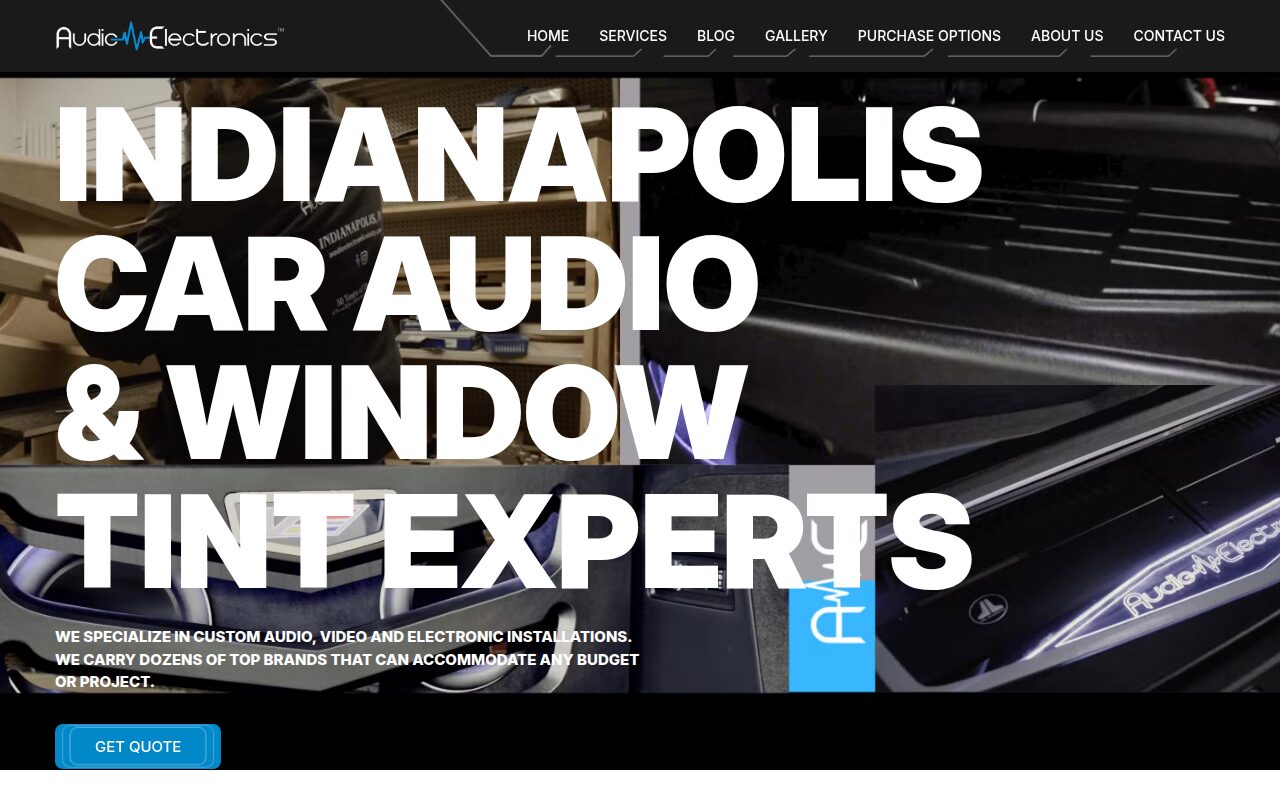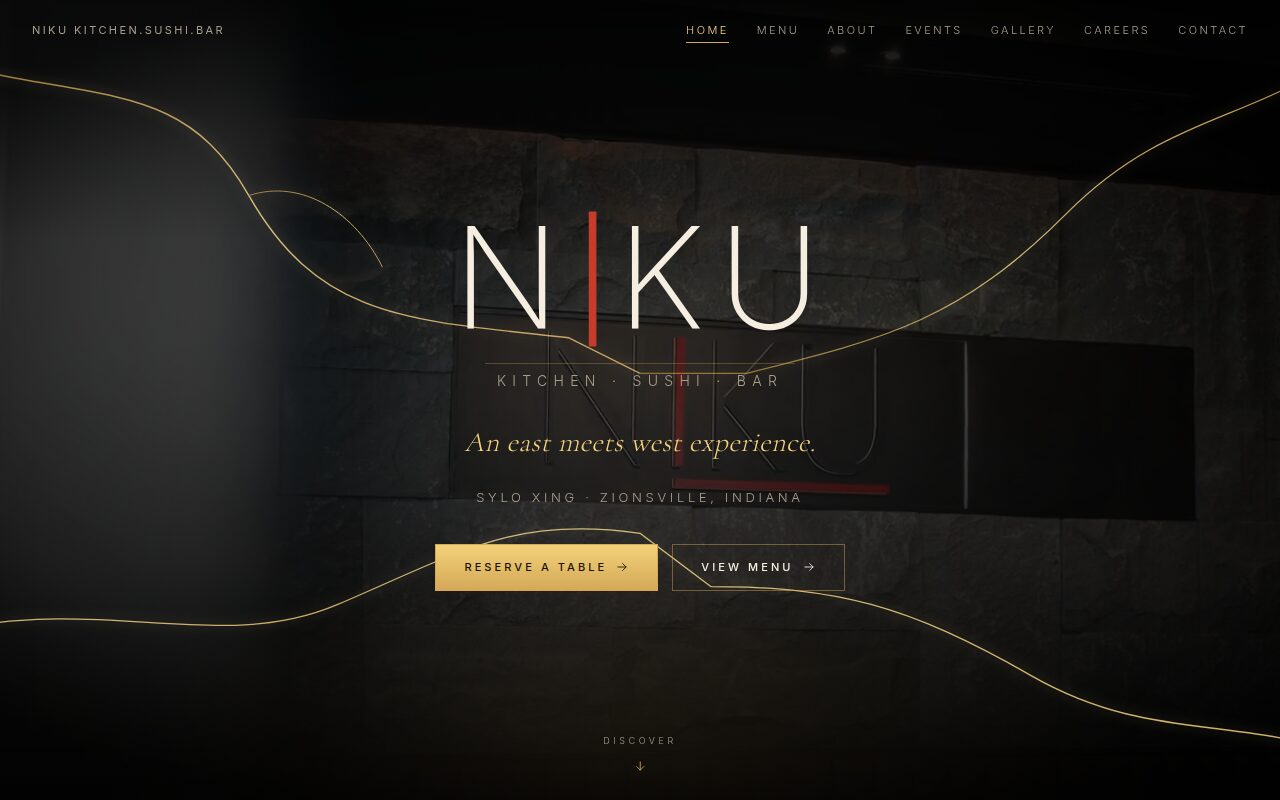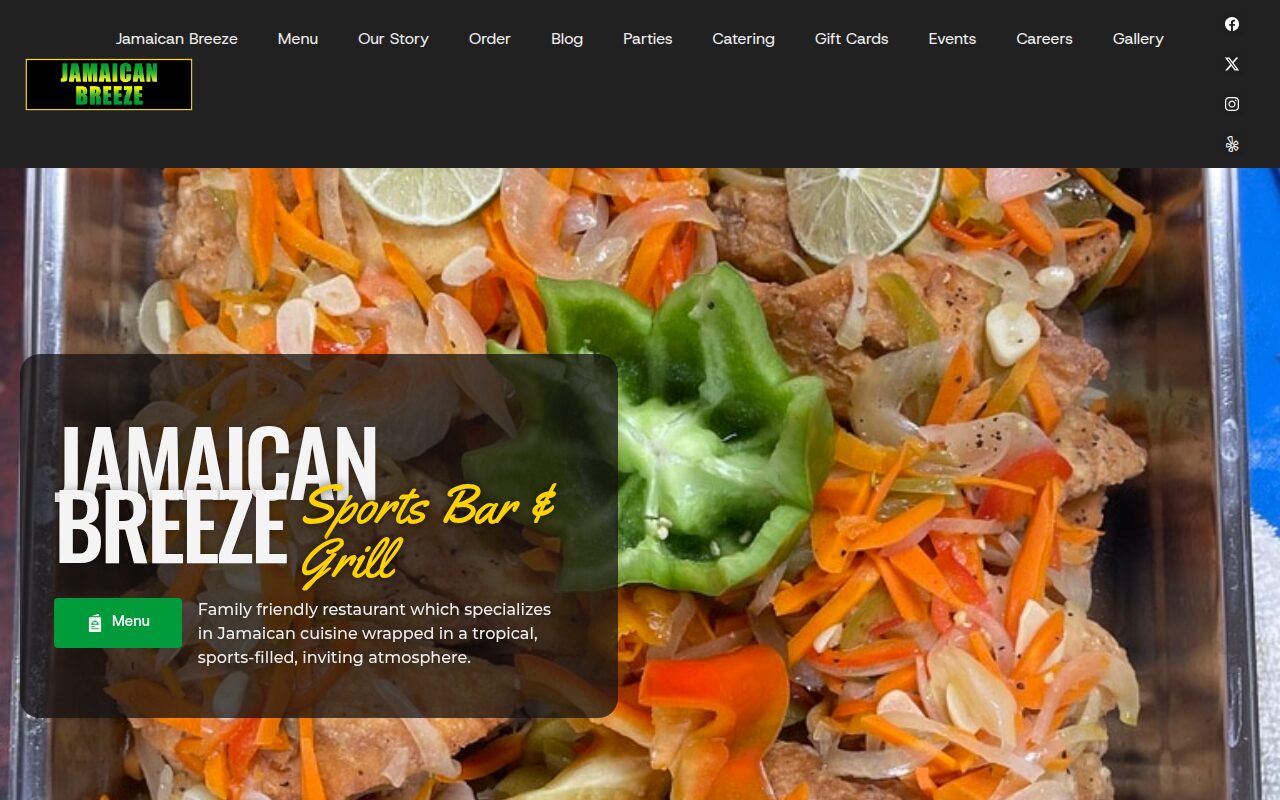
Stock images might fill space on your website, but they rarely turn visitors into buyers. If your site feels generic or outdated, you’re likely missing out on the real power of authentic brand photography vs stock images. This post shows how professional photography conversion rate gains come from visuals that speak directly to your audience and boost trust. You’ll see why custom brand photography ROI beats cookie-cutter images every time.

The Problem with Generic Stock Photography

Your website represents your brand’s digital storefront. When potential customers land on your page, they form an impression within milliseconds. Stock images create an immediate disconnect because visitors recognize them as generic placeholders rather than authentic representations of your business.

Stock photography databases contain millions of images that thousands of companies use simultaneously. Your potential customers have likely seen the same smiling businessperson or handshake photo on competitor websites. This familiarity breeds skepticism and undermines the trust you need to build for conversions.

The clinical, staged nature of stock images fails to communicate your brand’s unique value proposition. These photos lack the context, personality, and specificity that modern consumers demand. When your visuals look identical to every other business in your industry, you forfeit the opportunity to differentiate yourself in a crowded marketplace.

Understanding Professional Photography Conversion Rate Impact

The correlation between visual quality and conversion rates is not merely aesthetic preference. Data from multiple industries demonstrates that authentic business photos for conversion significantly outperform stock alternatives across key performance metrics.

Professional photography conversion rate improvements stem from several psychological and practical factors. Custom images create cognitive fluency, making it easier for visitors to process information about your products or services. When people see real team members, actual products, and genuine workspace environments, their brains process this information as credible and trustworthy.

Conversion optimization experts have documented cases where replacing stock images with custom photography increased conversion rates by 35% to 95%. These gains occur because authentic visuals reduce the friction between browsing and buying. Customers feel more confident making purchase decisions when they can see exactly what they will receive.

The professional photography conversion rate advantage extends beyond initial purchases. Custom images contribute to lower return rates because customer expectations align more closely with reality. This alignment creates satisfied customers who become repeat buyers and brand advocates.

Corporate Brand Photography Benefits for Trust Building

Trust represents the foundation of every commercial transaction. In digital environments where physical interaction is impossible, visual cues become primary trust signals. Corporate brand photography benefits include establishing credibility through authentic representation.

When visitors see real people from your organization, they perceive your business as legitimate and established. Professional headshots of team members create personal connections that stock images cannot replicate. These connections translate into higher engagement rates and increased willingness to share contact information or complete transactions.

Custom photography demonstrates investment in your brand presentation. This investment signals to potential customers that you take your business seriously and value quality. Companies using professional images are perceived as more established and reliable than those relying on free or cheap stock alternatives.

The corporate brand photography benefits extend to employee recruitment and retention. High-quality images of your workplace and team create pride among current employees and attract top talent who want to join a professional organization.

Commercial Photography for Web Design: Technical Advantages

Beyond psychological impact, commercial photography for web design offers technical benefits that stock images cannot match. Custom images are created specifically for your website’s dimensions, color scheme, and layout requirements.

Stock photos often require cropping or resizing that compromises their composition. Professional photographers shoot with your exact specifications in mind, ensuring every image fits perfectly within your design framework. This precision creates visual harmony that guides visitors through your conversion funnel.

Commercial photography for web design allows you to control every element within the frame. Background colors can match your brand palette. Lighting can emphasize product features. Composition can direct attention to calls-to-action. These controlled elements work together to support your conversion goals.

Professional photographers also deliver images in optimal formats and resolutions for web performance. Fast-loading, properly optimized images improve user experience and search engine rankings. Stock photos are frequently over-processed or improperly formatted, creating technical issues that harm both performance and appearance.

Authentic Brand Photography vs Stock Images: The Differentiation Factor

Market differentiation determines whether potential customers choose your brand or a competitor. Authentic brand photography vs stock images represents a clear choice between generic commodity presentation and distinctive brand identity.

Stock images communicate that your business is interchangeable with others in your industry. When multiple companies use identical visuals, customers have no visual reason to prefer one over another. Price becomes the primary differentiator when brand identity is absent.

Custom photography tells your specific story. It showcases your actual products, real customers, genuine team members, and unique processes. These specific details create memory anchors that help your brand stand out in crowded markets.

The authentic brand photography vs stock images decision also affects your content marketing efforts. Original images can be shared across social media, email campaigns, and advertising without the licensing restrictions that limit stock photo usage. This flexibility extends your marketing reach and reinforces brand consistency across channels.

Measuring Custom Brand Photography ROI

Investment in professional photography requires budget allocation, and business leaders rightfully demand measurable returns. Custom brand photography ROI can be tracked through multiple metrics that demonstrate financial impact.

Conversion rate improvement represents the most direct ROI measurement. By implementing A/B tests comparing stock images to custom photography, you can quantify the exact lift in conversions. Even modest improvements of 10-15% generate substantial revenue increases when applied to consistent traffic volumes.

Custom brand photography ROI also includes reduced customer acquisition costs. When conversion rates increase, you acquire more customers from the same traffic volume and marketing spend. This efficiency improvement compounds over time, making your entire marketing budget more effective.

Brand recall and recognition metrics demonstrate longer-term ROI. Custom images create distinctive visual signatures that help customers remember your brand. This recognition reduces the number of touchpoints required for conversion and increases direct traffic to your website.

The lifespan of professional photography extends ROI over multiple years. While stock image subscriptions require ongoing payments, custom photography becomes a permanent asset. Quality images remain relevant for 2-5 years depending on your industry, spreading the initial investment across extended timeframes.

Visual Marketing Custom Images for Premium Positioning

Premium brands cannot afford visual mediocrity. Visual marketing custom images communicate quality, exclusivity, and attention to detail that justify higher price points.

Luxury and premium service brands depend on perception management. Every touchpoint must reinforce the value proposition that justifies premium pricing. Stock photography undermines this positioning by creating associations with budget-conscious brands that use identical images.

Custom photography allows you to control every aspect of visual presentation. Lighting, styling, composition, and post-processing can all be tailored to evoke the specific emotions and associations that support premium positioning. This control is impossible with pre-existing stock images.

Visual marketing custom images also enable storytelling that connects products to aspirational lifestyles. Professional photographers can create narratives around your offerings that help customers envision themselves using your products or services. These narratives create emotional connections that support higher price acceptance.

Industry-Specific Applications of Professional Photography

Different industries require specialized approaches to commercial photography. E-commerce stores need product photography that accurately represents items while making them appealing. Service businesses need environmental portraits that showcase expertise and professionalism.

E-commerce product photography must balance accuracy with appeal. Customers need to see products clearly from multiple angles with accurate color representation. Professional photographers use proper lighting and backgrounds to eliminate distractions while highlighting product features. These images reduce return rates by setting accurate expectations.

Professional service firms benefit from environmental portraits that show team members in authentic work settings. These images communicate competence and approachability simultaneously. Potential clients can visualize working with real people rather than faceless corporate entities.

Hospitality and tourism businesses require photography that captures experiences rather than just physical spaces. Professional photographers understand how to convey atmosphere, emotion, and sensory experiences through visual composition. These experiential images drive bookings by helping potential guests imagine their own experiences.

Implementation Strategy for Photography Investment

Transitioning from stock images to custom photography requires strategic planning. A phased approach allows you to measure results while managing budget constraints.

Begin by identifying high-impact pages where photography changes will generate the greatest conversion improvements. Homepage hero images, product category pages, and about pages typically offer the best initial opportunities. Replacing images on these pages first creates measurable results that justify further investment.

Work with photographers who understand commercial objectives beyond artistic expression. Your photography partner should ask questions about conversion goals, target audiences, and brand positioning. Technical skill matters less than strategic understanding of how images support business objectives.

Create a photography style guide that ensures consistency across all images. This guide should specify lighting approaches, color palettes, composition styles, and post-processing treatments. Consistency reinforces brand identity and creates professional cohesion across your digital presence.

Plan for ongoing photography needs rather than one-time projects. Markets change, products evolve, and teams grow. Budget for regular photography updates that keep your visual content fresh and relevant. Outdated custom photography loses effectiveness just as stock images do.

Technical Considerations for Web Photography

Professional photography must meet technical requirements for web performance. Image file sizes affect page load speeds, which directly impact both user experience and search engine rankings.

Work with photographers who deliver properly optimized images. Modern web standards require responsive images that adapt to different screen sizes and resolutions. Your photography partner should provide multiple versions of each image optimized for desktop, tablet, and mobile viewing.

Color accuracy requires proper calibration throughout the photography and editing process. Professional photographers use calibrated monitors and color-managed workflows to ensure images appear consistent across different devices. This consistency prevents the disappointment customers experience when products look different than website images suggested.

Accessibility considerations include providing descriptive alt text for all images. Professional photography makes this easier because you know exactly what each image contains. Accurate alt text improves search engine optimization while making your website accessible to visually impaired visitors.

Long-Term Strategic Value of Brand Photography

Professional photography creates assets that appreciate in value over time. As your brand grows and gains recognition, your custom images become increasingly associated with your identity.

Brand equity builds through consistent visual presentation. When customers repeatedly see your distinctive photography style, they develop strong associations between those visuals and your brand values. This equity cannot be built with stock images that lack uniqueness.

Custom photography also supports content marketing strategies. Original images can be repurposed across blog posts, social media, email campaigns, and advertising. This versatility extends the value of your photography investment across multiple marketing channels.

The competitive advantage of professional photography compounds as competitors continue using stock images. While they blend into generic sameness, your authentic visuals create increasingly strong differentiation. This growing gap in visual quality translates to growing gaps in conversion performance.

Making the Investment Decision

The choice between authentic brand photography vs stock images ultimately determines whether your website actively drives business growth or passively occupies digital space. Stock images represent the path of least resistance, but they deliver minimal results.

Professional photography requires upfront investment, but the returns justify the expense for businesses serious about growth. When you calculate the lifetime value of customers acquired through improved conversion rates, photography costs become negligible compared to revenue gains.

Consider the opportunity cost of maintaining generic visuals. Every day your website uses stock images, you lose potential conversions to competitors with more compelling visual presentations. These lost opportunities accumulate into substantial revenue gaps over months and years.

Start small if budget constraints exist, but start now. Even replacing a few key images with professional alternatives creates measurable improvements. These early wins build momentum and justify expanded photography investments.

Your website represents your brand in the digital marketplace. The visuals you choose either strengthen or weaken every claim you make about quality, professionalism, and value. Professional photography ensures your visual presentation matches your business ambitions.

Leave a Comment