

Why Your Website Isn’t Ranking: An Essential Guide for Marketing Managers
You launched a stunning new website, yet your traffic dropped instead of climbed. You’re asking, “Why my website isn’t ranking?” The answer usually hides in overlooked technical issues like website speed optimization for SEO or javascript SEO issues. This guide walks you through a practical technical SEO audit checklist to spot and fix the problems holding your site back.
Understanding Technical SEO Fundamentals

The Critical Role of Technical SEO in Search Rankings
Technical SEO forms the foundation of your website’s search performance. When marketing managers focus solely on content and backlinks but neglect the technical infrastructure, they often wonder “why my website isn’t ranking” despite their best efforts. Technical SEO ensures search engines can properly access, crawl, interpret, and index your website. Without this solid foundation, even the most compelling content may remain invisible to search engines.
Common Technical Issues That Harm Rankings
Many websites suffer from technical problems that significantly impact their search visibility. These issues include slow loading times, poor mobile responsiveness, crawlability barriers, indexation problems, and structural flaws. For marketing managers who have recently launched new websites, these technical shortcomings often explain traffic drops despite visual improvements to the site.
The Technical SEO Audit Checklist
Site Crawlability and Indexation
The first step in any technical SEO audit checklist is examining how search engines interact with your site. Check your robots.txt file to ensure it’s not blocking important content. Review your XML sitemap for completeness and accuracy. Use Google Search Console to identify crawl errors and indexation issues. Many marketing managers are surprised to learn their beautiful new site has accidentally blocked search engines from important pages.
Website Speed Optimization for SEO
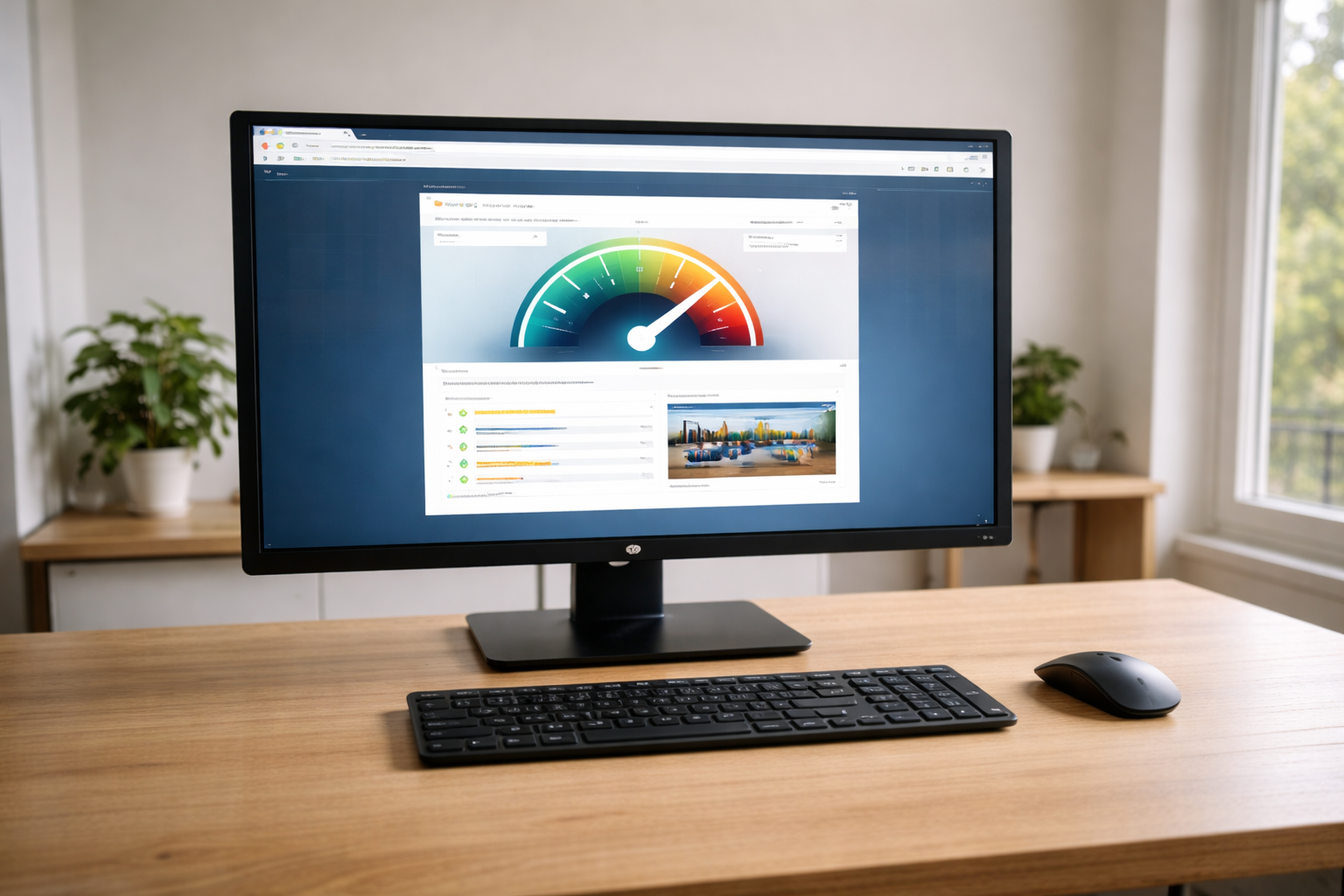
Site speed has become a critical ranking factor. Slow-loading websites frustrate users and search engines alike. Analyze your site speed using tools like Google PageSpeed Insights or GTmetrix. Common speed issues include unoptimized images, excessive HTTP requests, render-blocking JavaScript, and lack of browser caching. Website speed optimization for SEO should be a priority, as even a one-second delay can significantly reduce conversions.
Mobile-Friendliness Assessment
With Google’s mobile-first indexing, your site’s mobile experience directly impacts rankings. Test your site’s mobile-friendliness using Google’s Mobile-Friendly Test. Ensure responsive design, appropriate text size, properly spaced touch elements, and fast loading on mobile networks. Many new website launches fail because they prioritize desktop aesthetics over mobile functionality.
JavaScript SEO Issues
Modern websites often rely heavily on JavaScript, which can create serious SEO challenges. Search engines may struggle to render JavaScript-heavy pages, leading to content not being indexed. Common JavaScript SEO issues include content not being visible until JavaScript loads, important links being missed by crawlers, and metadata not being properly implemented. If your site depends on JavaScript frameworks like React or Angular, special attention to JavaScript SEO is essential.
Fixing Core Technical Problems

Fixing Core Web Vitals
Core Web Vitals have become official Google ranking factors, measuring real-world user experience. These metrics include Largest Contentful Paint (loading), First Input Delay (interactivity), and Cumulative Layout Shift (visual stability). Fixing core web vitals often requires technical interventions like optimizing server response times, minimizing render-blocking resources, and ensuring stable layout during page load. Marketing managers should prioritize these fixes as they directly impact both rankings and user experience.
Resolving Structured Data Implementation
Structured data helps search engines understand your content and can lead to rich results in search listings. Review your structured data implementation using Google’s Structured Data Testing Tool or Schema Markup Validator. Ensure you’re using the appropriate schema types for your content and that all required properties are included. Many new websites miss this opportunity to stand out in search results.
Addressing URL Structure and Redirect Issues
When launching a new website, proper URL handling is crucial. Analyze your URL structure for clarity and consistency. Implement proper 301 redirects from old URLs to new ones. Check for redirect chains, loops, or broken redirects that waste “link juice” and confuse search engines. Many traffic drops after website launches stem from poor redirect implementation.
Advanced Technical SEO Considerations
HTTPS and Security Configurations
Search engines favor secure websites. Verify your SSL certificate is properly installed and configured. Check for mixed content warnings where secure pages load insecure resources. Review security headers and ensure your site follows best practices for web security. These technical security elements contribute to both rankings and user trust.
International SEO and Hreflang Implementation
For websites serving multiple countries or languages, proper international SEO setup is essential. Review your hreflang tags, country-specific domains or subfolders, and geo-targeting settings in Google Search Console. Incorrect international configurations often explain why websites rank well in some regions but poorly in target markets.
Site Architecture and Internal Linking
Your website’s structure significantly impacts how search engines understand and rank your content. Analyze your site architecture for logical hierarchy and crawl efficiency. Review internal linking to ensure important pages receive appropriate link equity. Many new websites create overly complex structures that dilute ranking potential across too many pages.
Implementing and Monitoring Technical SEO Improvements
Prioritizing Technical SEO Fixes
After completing your technical SEO audit checklist, you’ll likely have numerous issues to address. Prioritize fixes based on impact and difficulty. Focus first on critical issues affecting crawling and indexing, then move to core web vitals and user experience factors, followed by enhancements like structured data. This structured approach ensures you address the most important ranking factors first.
Measuring the Impact of Technical SEO Changes
Implement proper tracking to measure the results of your technical SEO improvements. Set up baseline metrics before making changes. Monitor organic traffic, rankings, crawl stats, and user engagement metrics. Document all changes to correlate technical improvements with performance shifts. This data-driven approach allows marketing managers to demonstrate the value of technical SEO investments.